
During the coronavirus pandemic, elected officials have been confronted with the unquestionably difficult task of safeguarding public health and well-being against an extremely infectious disease. The charge becomes stronger and stronger every day, as circumstances change and as television and print broadcast what amounts to gubernatorial virus report cards, seemingly at the top of every hour: State x added y number of cases and z number of deaths. Officials present themselves as if they perceive that the public expects them to be doing something new constantly to stop the virus — whatever it takes. That pursuit (which I do believe is generally performed with the well-being of people in mind) has resulted in deeply immoral and unlawful policies.
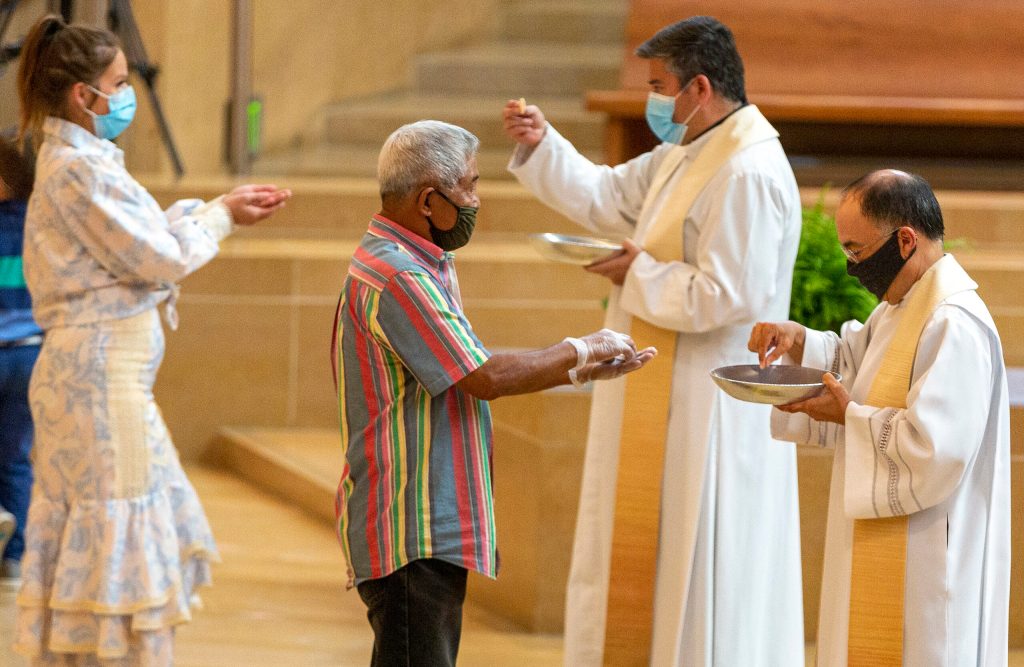
The Supreme Court ruled on Wednesday that New York Gov. Andrew Cuomo cannot enforce his occupancy limits on houses of worship, while the applicant for relief, the Diocese of Brooklyn, awaits a decision on its appeal to the 2nd Circuit. Five justices determined that the limits of 10 people in the governor-deemed “red zones” and 25 people in “orange zones” could not stand because the diocese is likely to succeed in its appeal for a number of reasons. “The restrictions at issue here, by effectively barring many from attending religious services, strike at the very heart of the First Amendment’s guarantee of religious liberty,” the court’s opinion reads.
Real journalism.Trusted by millions.
Unlimited access to in-depth reporting, expert analysis, and the stories that shape our country.
Already a member? Log in