
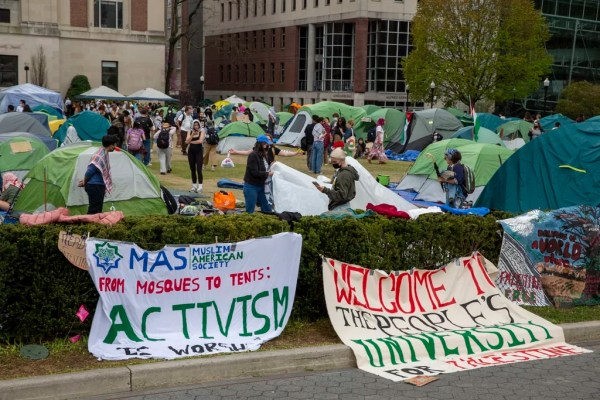
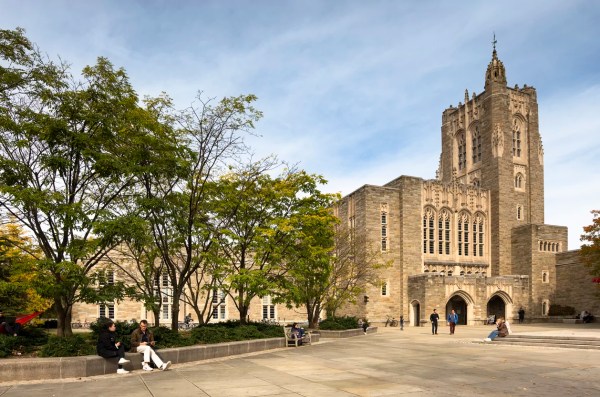
For being smart enough to get into high-level schools, many Ivy League students don’t use their intelligence for common courtesy and decency. Another incident occurred at an Ivy League institution, this time Princeton, where 200 hundred students occupied the president’s offices until their demands were met.
Fortunately, some students are fighting back with their own counter-protests. As Fox News discussed (video below), a new group, Princeton Open Campus Coalition (POCC), has formed in response to the sit-in. The group expressed their opposition to the demands in a letter to Princeton president, Christopher Eisgruber.
Recommended Stories

Fox included an excerpt from their letter:
Fox sat down with Evan Draim and Sofia Gallo, Princeton students who are members of POCC.
Draim spoke to why the group formed, and that the protestors methods and demands were both found to be “contrary to the academic values of the Princeton community.” As Draim also mentioned they worried “that a very loud, very passionate few groups of students was monopolizing the conversation about important issues on our campus.”
On their hope for other colleges, Gallo discussed how they hope “this movement will lead to reconsidering the value of free speech… so we hope that college students will remember the value of listening to others that don’t agree with them, and engage in conversation to pursue truth.”
When asked if the protesters have been acting “in a constructive way,” Gallo was quick to answer:
The letter’s proposed solution to the president suggests “engaging in more open dialogue and fostering greater discourse among students on campus,” as Draim pointed out.
An interesting point was raised by Draim on minority students who “have been told if they don’t agree with the protests that they’re not being authentic to their race, that they’re being called white-sympathizers.” Draim spoke about how the plight of those students affects their goal:
A copy of the full letter is also available on the group’s Facebook page. Gallo mentioned the page as a helpful resource for those who want to learn more about their movement.
Students for Liberty reported late Tuesday morning that Eisgruber will meet with POCC today to discuss their concerns.