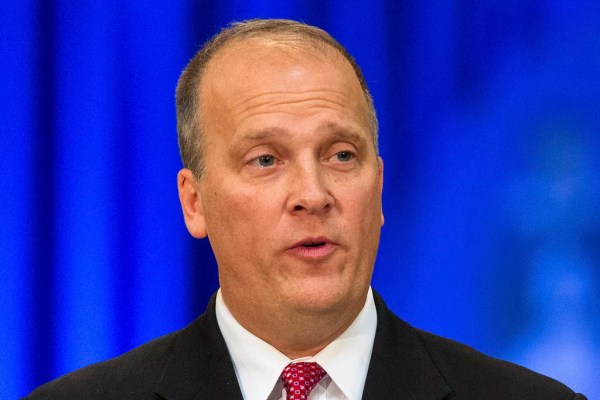
On May 1, protesters were circling the Wisconsin state Capitol, denouncing regulatory overreach by the state Department of Health Services response to COVID-19. Meanwhile, less than a block away, Attorney General Josh Kaul was pulling another thread in his attempt to unravel reforms that have made Wisconsin’s administrative state the most transparent and accountable in the nation.
When Gov. Scott Walker swept into office in 2011 along with conservative majorities in both houses of the Wisconsin legislature, one of his first official acts was to call a special session to reform how the state did business. The media focused mostly on Walker’s collective bargaining changes in Act 10. But a bill with far more consequential effects on daily life, Act 21, became law around the same time.