
Regulations are not always about protecting consumers and workers from avaricious or careless corporations. They are often about protecting incumbent businesses from competition:
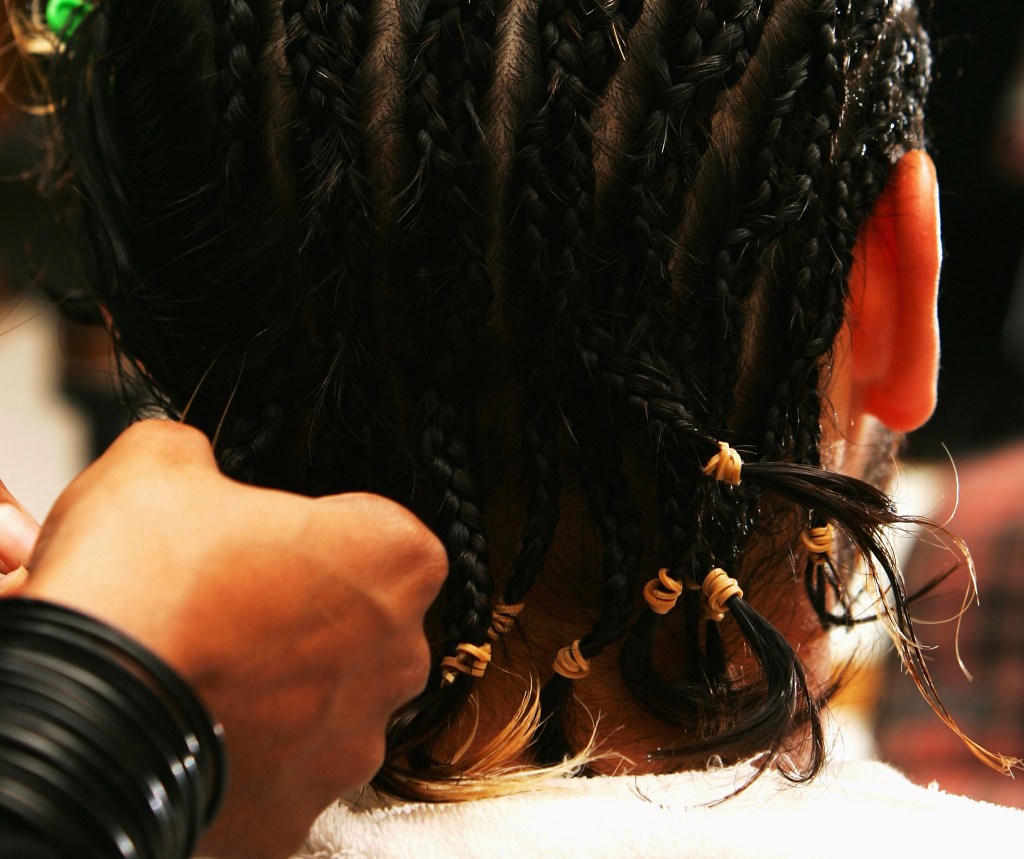
Melanie Armstrong wanted to be an African hair braider, practicing a skill passed down from generation to generation. In Tupelo, Mississippi, where she lived, government licensing rules meant she had to take 300 hours of course work to start her salon: 300 hours, she notes, “none of which covered hair braiding.”
Ramesh Ponnuru tells how Armstrong is typical of small businesswomen and men in this country, where one of every three fields requires some sort of professional licensing. These licensing requirements raise “costs to consumers and reducing opportunities for job creation,” Ponnuru writes.
Recommended Stories



Print subscriber? Click here to login/register your account
Digital subscriber? Click here to login/register your account.