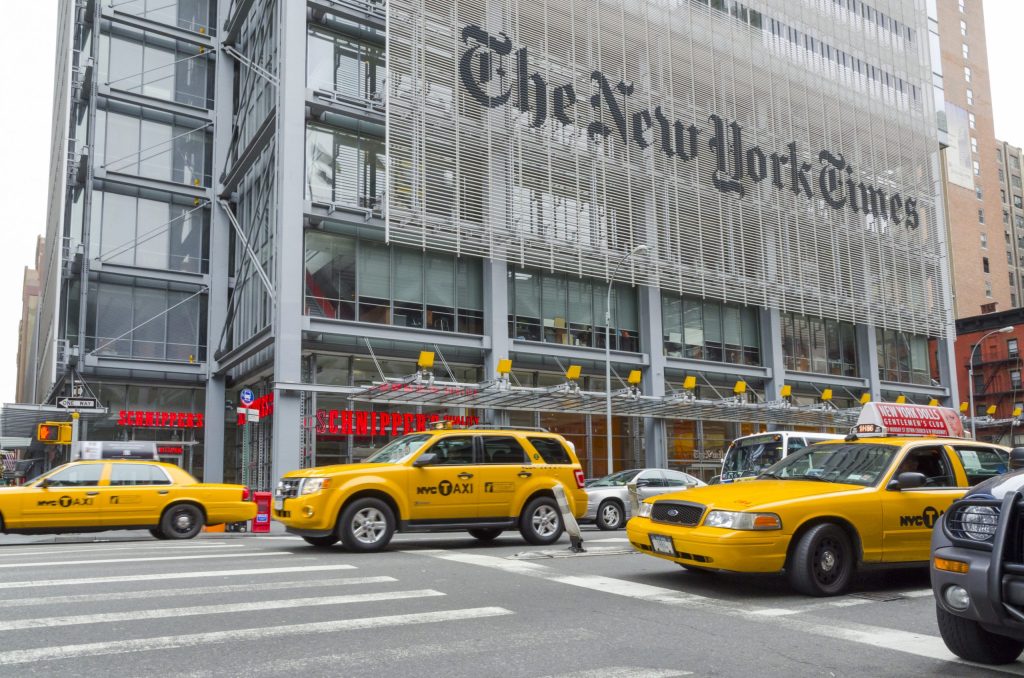
President Trump set off another mini-firestorm this week with his reaction to an anonymously-authored New York Times op-ed in which the author “vowed to thwart parts of [Trump’s] agenda.” As is so often the case, Trump took to Twitter, writing, “If the GUTLESS anonymous person does indeed exist, the Times must, for National Security purposes, turn him/her over to government at once!” In another tweet he suggested “treason.”
Cries of “treason” have become pretty common these days (as just one example, remember that both critics and supporters of former President Barack Obama’s Iran deal accused the other side of “treason”), and the claim of “national security” has long been used by partisans on both sides to justify suppression of opposing speech. It is worth remembering that both rationales are, perhaps more often than not, mere pretexts for silencing views one doesn’t like. The president’s anger at a disloyal staffer who is vowing to frustrate his policies is understandable, and if his identity is learned, firing is an appropriate response. But the New York Times piece is not “treason,” it is not a national security issue to find this person, and the president should not be haranguing the New York Times about disclosing this author or others. It’s that pesky First Amendment thing.