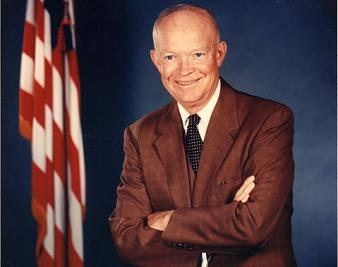
You may have heard a bit about the recent controversy over the Eisenhower Memorial here in Washington, D.C. The design by Frank Gehry centers on a minuscule statue of Dwight D. Eisenhower as a boy in a park surrounded by 80-foot-tall images of a stark Kansas countryside. But you might wonder, why all the fuss over a monument? With the national debt spiraling out of control, a rampant bureaucracy and still languishing economy, it seems pretty small potatoes.
Churchill once said, “First we shape our buildings, then they shape us.” That is, architecture has an influence beyond just being something pleasing to the eye; it has a real affect on the hearts and minds of people. In the past, most designers of monuments recognized this and, accordingly, emphasized the great civic virtues of their subjects, such as at the Lincoln Memorial. Today, however, almost every monument commissioned in D.C. is an anti-heroic mess that leaves the visitor questioning not only the greatness of its subject, but whether even greatness itself is something to be emulated.