
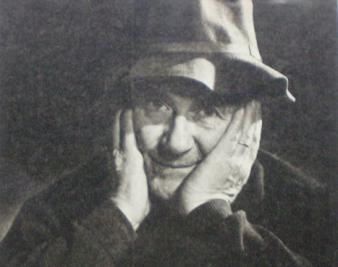
“Joan Miró: The Ladder of Escape” is at the National Gallery of Art through August 12. The conceit of the exhibit is that Miró was no sequestered surrealist but an artist readily engaged with politics and society—“an artist of his times,” as a wall caption puts it. Visitors reading that caption might well wonder how Miró could be anything but of his “times,” for they surely were interesting ones.
As a young man he moved in 1920 from his home in Catalonia to a Paris staggering in the fumes of World War I. The Spanish Civil War forced him to stay away from Spain, and World War II forced him to return to it; he lived for decades under Franco’s rule. Were Miró’s art unaffected by the seismic world events he experienced so directly, it would have been astonishing.
Real journalism.Trusted by millions.
Unlimited access to in-depth reporting, expert analysis, and the stories that shape our country.
Already a member? Log in