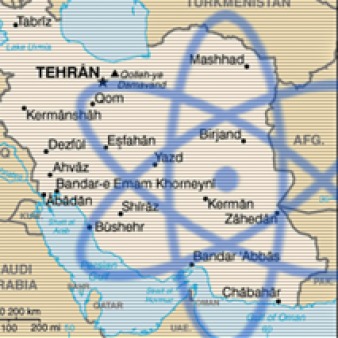
On Tuesday, the Washington Post‘s Greg Sargent penned a piece headlined, “What the GOP presidential candidates could say about the Iran deal, but won’t.” While there’s perhaps some food for thought in the column, this paragraph stopped me cold:
I don’t mean to pick on Sargent here, because what’s going on here is something a lot Beltway pundits do (and I’m sure you could find examples of this in my more youthful adventures in journalism). But having said that, let’s be clear: Citing polling data on something as complex as the Iran deal is a pointless exercise in confirmation bias. The average American has no idea how something as complex as the Iran deal works. A great many journalists pretending to understand it don’t know how the deal was structured. Heck, I’m not even sure the people in the White House and State Department who negotiated the deal know exactly what they’ve done.