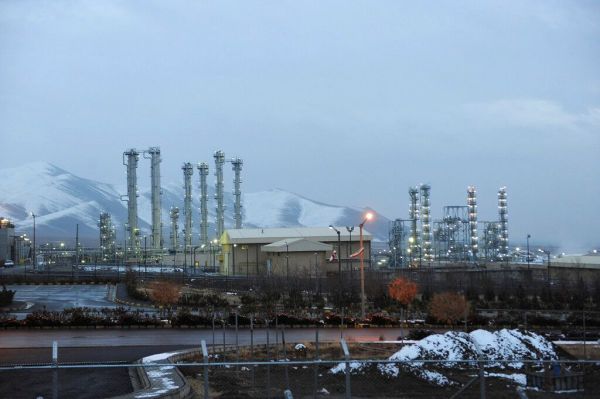
WASHINGTON (AP) — In a potentially history-shaping choice of diplomacy over confrontation, the U.S. and other world powers agreed Sunday to give Iran six months to open its nuclear sites to possible daily inspections in exchange for allowing Tehran to maintain the central elements of its uranium program, in a multi-layered deal to test Iran’s claim that it does not seek atomic weapons.
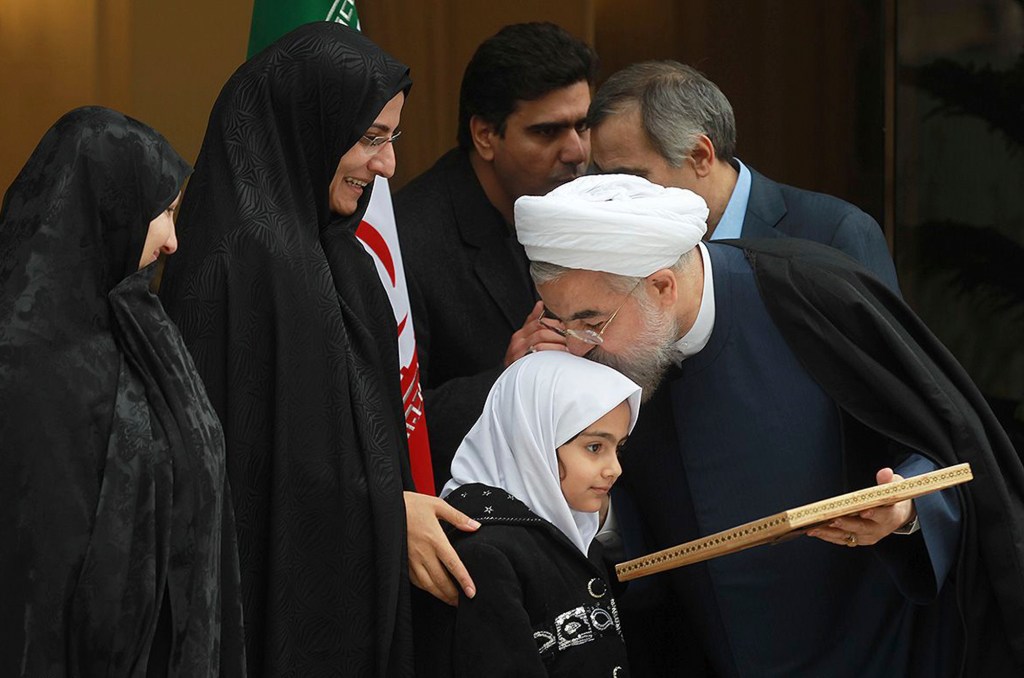
The deal is a tentative first step easily presented as a win-win: Iran gives a little on nuclear enrichment and gets some economic sanctions relief in return, as its amiable president waxes diplomatically about continued trust-building with Washington. But America’s closest Mideast ally, Israel, called it a “historic” mistake, fearing that by not insisting on an actual rollback the world has effectively accepted Iran as a threshold nuclear weapons state. Saudi Arabia and several other Gulf Arab states close to the U.S. hold similar views and many in Congress are dead set against a deal that allows Iran to continue to enrich uranium.