
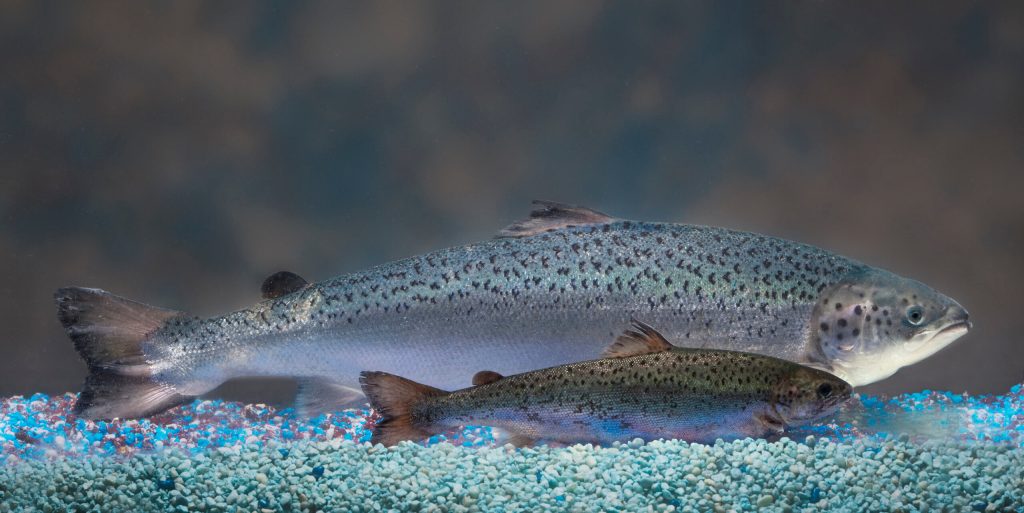
BRUSSELS (AP) — Visions of chlorine-drenched chickens and the prospect of genetically modified “Frankenfood” invading dinner tables across the European Union are proving serious impediments to the signing of a sweeping free trade agreement between the United States and the 28-country bloc.
Optimism that negotiations, which marked their first-year anniversary this week, would lead to a deal to create a trading bloc of 800 million people representing around half the world’s economic output have faltered amid growing public opposition. Suspicions toward the U.S. following a spying scandal and electoral considerations on both sides of the Atlantic have also not helped to foster progress.
Recommended Stories

Print subscriber? Click here to login/register your account
Digital subscriber? Click here to login/register your account.