
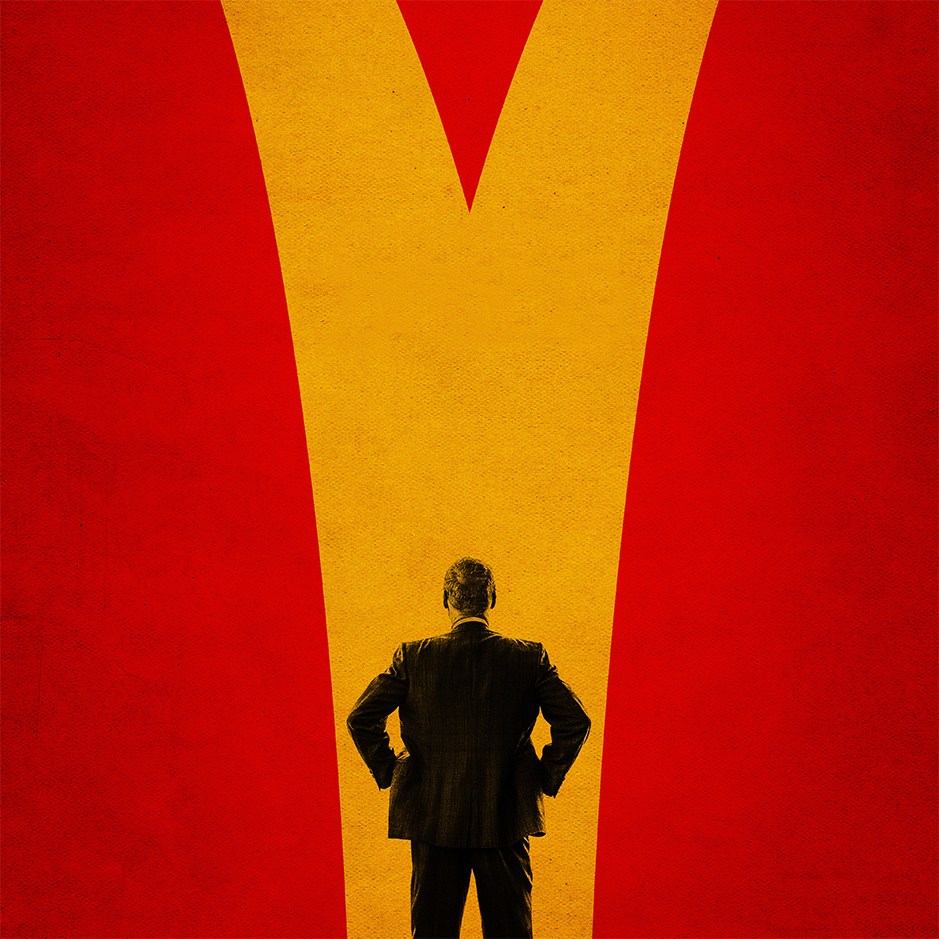
There is a great American novel almost nobody has read: Theodore Dreiser’s The Titan. It concerns a visionary man of business named Frank Cowperwood, and it’s the story of how he helps turn Chicago into a major city by commandeering and then building its mass-transit system. Cowperwood is a sensualist and a romantic; he is driven not by greed but rather by something more elemental. Dreiser makes it clear that business is an artistic endeavor for Cowperwood, a means of expressing his creativity—only he requires a canvas made up of city streets and materials drawn from banks and investors, and he does great harm even as he does great things.
It is an extraordinary book about both the irrepressible vitality and the break-the-china sloppiness of capitalists, damaged only by Dreiser’s customarily clunky prose and the fact that Ayn Rand vulgarized it beyond belief as she fashioned The Fountainhead and stole its thunder. But it’s become an also-ran in the annals of American literature because it is a book whose subject is the creativity of capitalism.
Real journalism.Trusted by millions.
Unlimited access to in-depth reporting, expert analysis, and the stories that shape our country.
Already a member? Log in