<mediadc-video-embed data-state="{"cms.site.owner":{"_ref":"00000161-3486-d333-a9e9-76c6fbf30000","_type":"00000161-3461-dd66-ab67-fd6b93390000"},"cms.content.publishDate":1667249890870,"cms.content.publishUser":{"_ref":"00000183-9b78-d670-a1b3-9bf9b4fa0000","_type":"00000161-3461-dd66-ab67-fd6b933a0007"},"cms.content.updateDate":1667249890870,"cms.content.updateUser":{"_ref":"00000183-9b78-d670-a1b3-9bf9b4fa0000","_type":"00000161-3461-dd66-ab67-fd6b933a0007"},"rawHtml":"
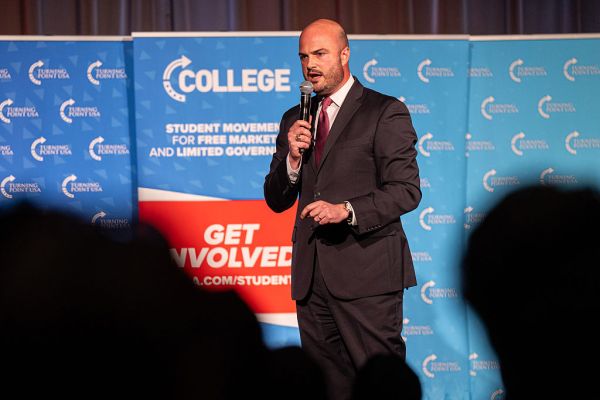
var _bp = _bp||[]; _bp.push({ "div": "Brid_67249323", "obj": {"id":"27789","width":"16","height":"9","video":"1128956"} }); ","_id":"00000184-2fcd-da74-a1bd-2fddae410000","_type":"2f5a8339-a89a-3738-9cd2-3ddf0c8da574"}”>Video EmbedWe spoke with Yuma County supervisor Jonathan Lines about why so many people come through this specific area at the U.S.-Mexico border. Lines says this is where the wall finishes and has not been completed, giving people easy access into the country. Plus, it is a safer journey compared to those who cross in Texas due to the shallow water at the Colorado River compared to the dangerous current in the Rio Grande.