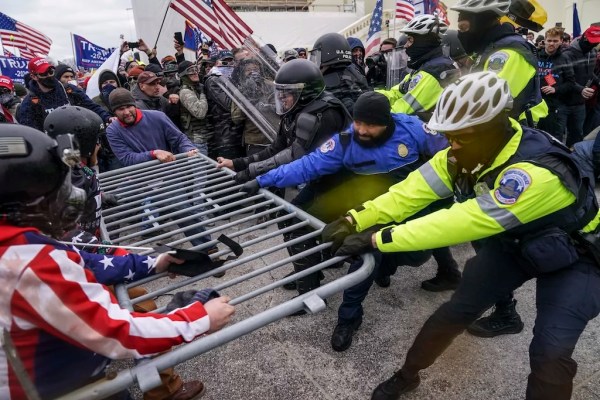
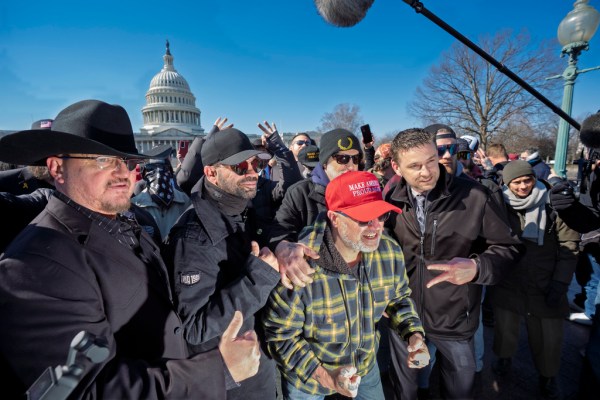
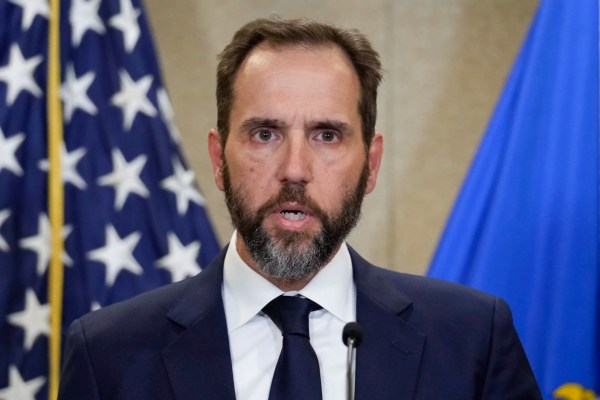
More than three years after the riot at the Capitol on Jan. 6, 2021, the Department of Justice is continuing to pursue those who participated through hundreds of aggressive prosecutions. That includes Donald Trump, whose political future and personal freedom may depend on whether a jury believes he is to blame for the violence. But the intensity of the Biden DOJ’s crackdown on Jan. 6 offenders has stirred controversy, drawn scrutiny from the Supreme Court in Fischer v. United States, and become a central focus of Trump’s third presidential campaign. In this series, Riot revisited: Jan. 6, Justice, and Capitol Consequences, the Washington Examiner will look at the legal weaknesses in the DOJ’s efforts to punish Jan. 6 defendants and the future of those cases should Trump reclaim the White House.
Jan. 6 defendant Daniel Goodwyn remembers what it felt like when a federal judge ordered his computer to be monitored by the government for alleged disinformation as part of his sentence for entering and remaining in the Capitol that day three years ago.