
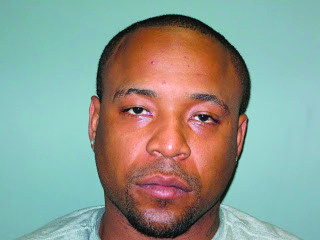
U.S. Supreme Court Justice Samuel Alito called the Maryland case before the justices Tuesday the most important criminal procedure question in decades: Does the Fourth Amendment allow the state to collect DNA samples from people who have been arrested but not convicted of a crime?
Maryland Chief Deputy Attorney General Katherine Winfree was cut off immediately after she began the hourlong hearing by noting 43 convictions under the state’s warrantless DNA collection program since 2009.
Recommended Stories
Print subscriber? Click here to login/register your account
Digital subscriber? Click here to login/register your account.