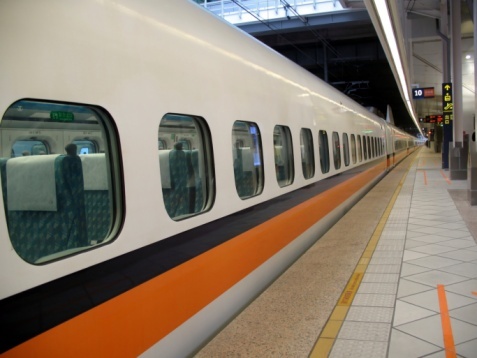
“What we’re talking about,” President Obama once said, “is a vision for high-speed rail in America. Imagine boarding a train in the center of a city. No racing to an airport and across a terminal, no delays, no sitting on the tarmac, no lost luggage, no taking off your shoes. Imagine whisking through towns at speeds over 100 miles an hour, walking only a few steps to public transportation, and ending up just blocks from your destination.”
This was Obama’s vision for high-speed rail in his stimulus package, toward which he devoted $8 billion. If it sounded too good to be true, it’s because it was. Multiple studies and the experiences of other nations suggest that high-speed rail is a fiscal black hole. Its ridership and utility are almost always overestimated when projects are undertaken. High-speed rail lines are typically finished at costs well beyond projections, then require massive annual operating subsidies in perpetuity just to keep running.