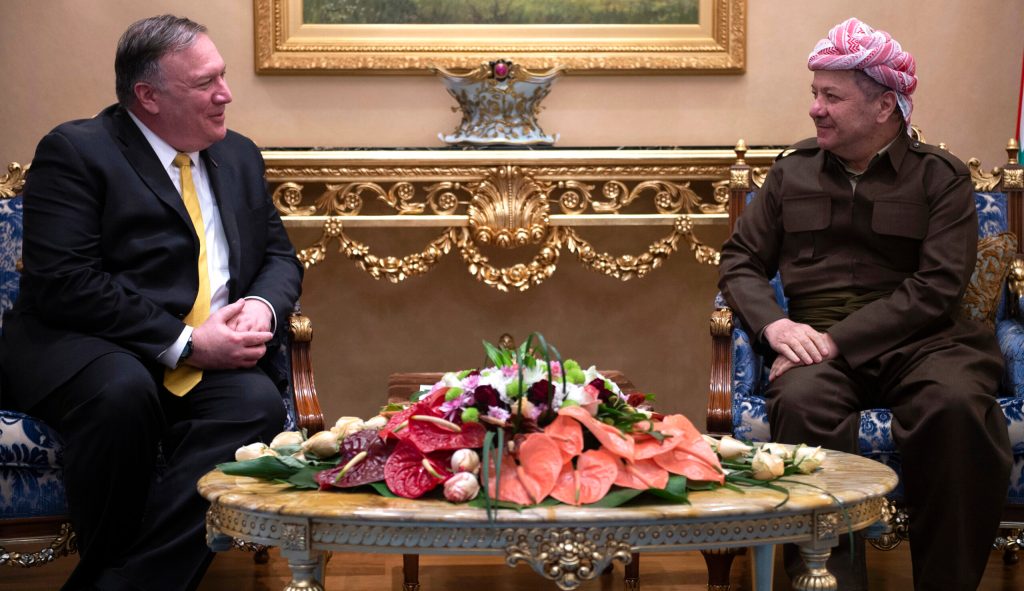
Now is the time for Masoud Barzani to think about his legacy. He is 72 years old; his father died at 75. While Barzani may think he will follow his father into history as a great nationalist leader, the reality is less certain. Masoud has presided over the rise of the Kurdistan Regional Government, but his cynical embrace of Saddam Hussein less than a decade after the Anfal campaign suggests that Barzani cares more about wealth and personal power than Kurdish aspirations. His emphasis on family empowerment and wealth accumulation also suggests that he has been unable to shed the role of tribal leader to become a broader national leader.
Recent events suggest that Barzani will have no change of heart or mind in his final years. He still lives in an old resort, which first Saddam and then Masoud confiscated for their own personal use. First his children and then his grandchildren were educated in a school reserved only for family members so that they need not mix with ordinary Kurds. Here, Barzani is far more extreme than Arab monarchs who encouraged their children to mix with ordinary citizens in order to allow them to develop friendship and lifelong ties to the people whose acceptance was the key to legitimacy. Bizarrely, as Kurdish society grows, Barzani does not seem able to conceive the importance of broader ties and friendships beyond narrow patronage networks.