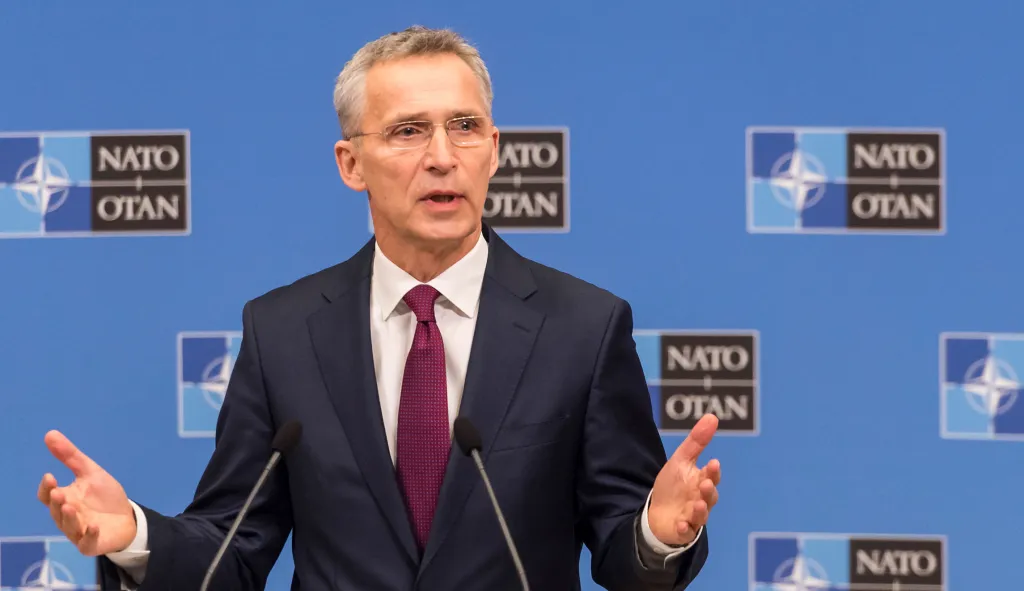
On March 11, House Speaker Nancy Pelosi sent a bipartisan letter to NATO Secretary-General Jens Stoltenberg, inviting him to address a joint session of Congress. “During this critical time for the United States, NATO, and the European Union,” the letter reads, “the U.S. Congress and the American people look forward to your message of friendship and partnership.” While nostalgic for the past, post-Cold War NATO is a shell of its former self. Outside of the United States, the alliance’s military capabilities are lacking and NATO is simply unprepared for great power contingencies. Rather than a traditional alliance with a stronger power backing up junior-but-still-capable partners, NATO mimics a dysfunctional club where the U.S. operates as funder, provider, and gatekeeper.
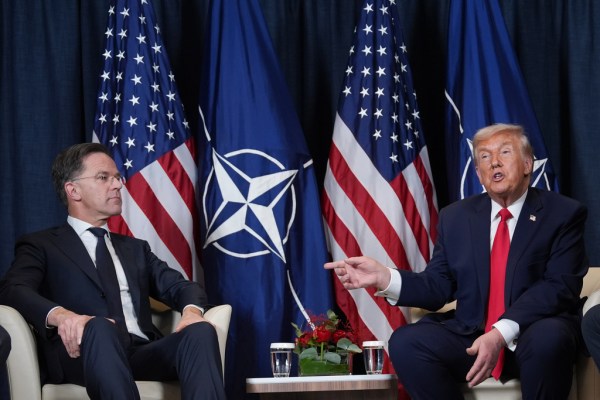
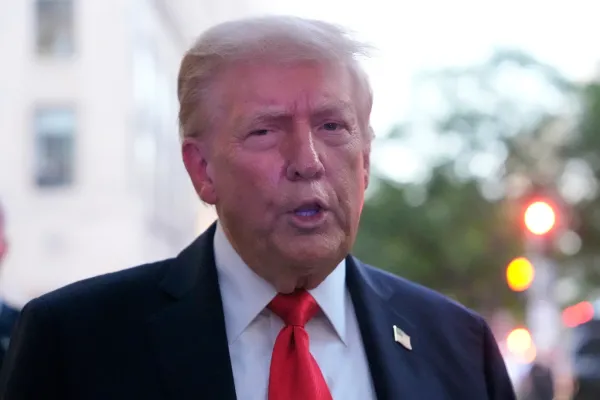
One foreign policy issue President Trump has dedicated significant attention to is burden-sharing, the process of rebalancing the monetary contributions within the NATO alliance between the United States on one side and everybody else on the other. While many lawmakers and NATO boosters in Washington decry the president’s tough tactics, Trump’s overall objective (incentivizing non-U.S. members to increase their own military budgets in league with their commitment of spending 2 percent of GDP on national defense) is both strategically sound and fiscally appropriate.