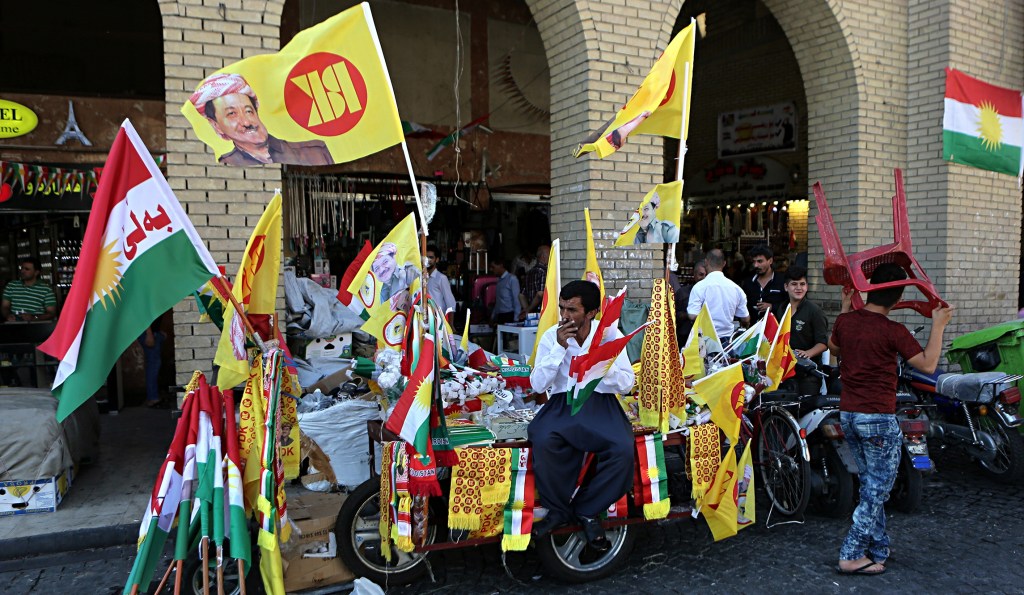
On Monday, Iraqi Kurds are heading to the polls to vote on a referendum for independence. Much of the controversy surrounding the referendum revolves around Iraqi Kurdistan de facto President Massoud Barzani’s decision not only in Iraq’s three northern provinces administered by the Kurdistan Regional Government, but also to include areas under dispute with the federal government in Baghdad: Kirkuk, parts of Diyala, and areas in and around Mosul.
Kurdish leaders have long argued that Kurdistan welcomes ethnic and religious diversity; many ethnic and religious minorities disagree. While Christians are free to worship in Iraqi Kurdistan, the region’s authoritarian turn limits both their ability to express themselves politically and, because many Christians eschew the dominant Kurdish political parties, also undercuts job prospects in a region where the government is the largest employer and allocates 80 percent of its budget to civil servant salaries.