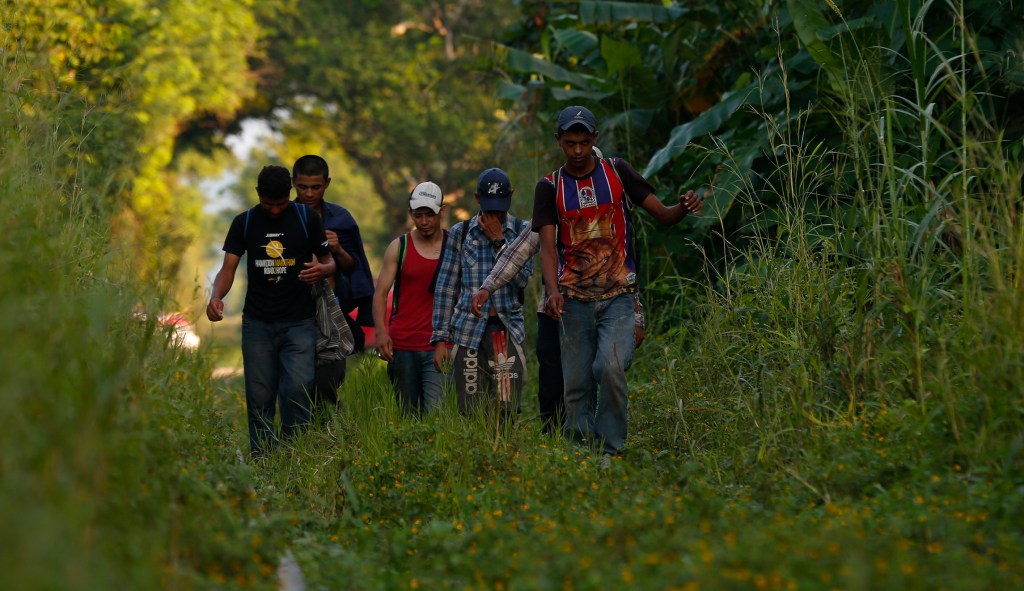
This a column about the Central American immigration caravan, but bear with me for one Middle East anecdote.
When I first went to Iraqi Kurdistan more than 18 years ago to teach in its universities, Kurdistan was a very different place. Saddam Hussein’s shadow hung over the region, and there was widespread fear that he could reinvade the territory he had struck with chemical munitions just over a decade previously. Iraqi Kurdistan was also struggling under a dual embargo: As part of Iraq, it was subject to international sanctions and, because the United Nations agreed to channel aid through Saddam’s government, it faced continued efforts by the genocidal Iraqi leader to starve it into submission. Perhaps it was not surprising, therefore, that so many Kurds were willing to pay people smugglers to escape to Europe and a better life. Some went by land, but others tried sea. Kurds often talked about a small group smuggled on board a ship carrying scrap metal. Halfway through the ship’s voyage, ownership switched and so did the ship’s destination. Rather than come to port in France, the ship ended up in Mozambique. The Kurds, discharged onto the beach but thinking they were safely in Europe, immediately declared themselves refugees and claimed asylum. And hence the Kurdish community of Mozambique was born because when asylum is sought, the right to travel beyond ends. Refugees do not have unlimited right to travel; by tradition and law, they stay in the countries in which they land until receiving legal permission to move onward.