There are those on the right who oppose Republicans cutting a deal to avert the “fiscal cliff,” because they are convinced that the GOP would be in a better bargaining position if America went over it. But a lot of conservatives would still oppose a deal, even if it means the outcome could be worse in the new year. According to this strain of thinking, Republicans made a commitment to voters not to raise taxes, they defined a tax increase as any legislation that did not extend all current tax rates, and they don’t want to break this pledge under any circumstances. It’s this thought process that drove a critical mass of conservative members of the House of Representatives –many fearing potential primary challenges – to reject Speaker John Boehner’s “Plan B” approach, which would have protected all income below $1 million from a tax increase. Their problem was that it allowed taxes to go up for income beyond that.
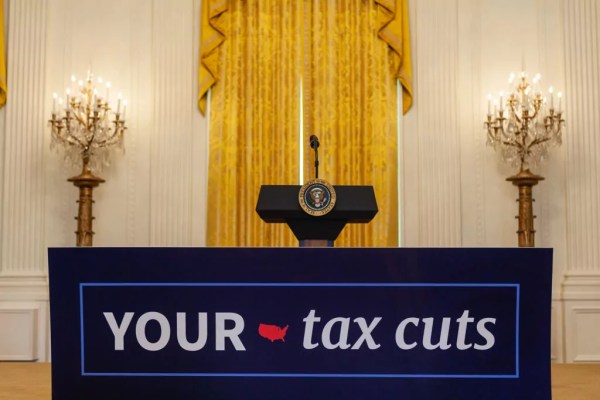
As the nation enters the new year, conservatives are grappling with some uncomfortable realities. President Obama was reelected and Democrats maintained control of the Senate, and they’re determined for taxes to go up on higher-income earners. Obama and his Democratic allies are aided further by the quirk in the Bush era tax cuts that made them only temporary. If no deal is struck, it would mean a $4.5 trillion tax hike for all Americans, which compares to the $300 billion to $400 billion in higher taxes for less than one percent of Americans under Boehner’s “Plan B.” But here’s the rub. If Republicans voted for “Plan B” on Thursday, many conservative activists would have attacked them for agreeing to raise taxes. But after January 1st, once taxes go up, Republicans could strike a deal with Obama that would raise revenue by double or triple the amount of “Plan B,” and it wouldn’t be seen as breaking their promise. In other words, this whole debate is being driven not by whether conservatives could get a better deal before or after the new year, but by the technicality that the same piece of legislation that would be construed as a tax hike on Dec. 31 would be considered a tax cut on January 1.