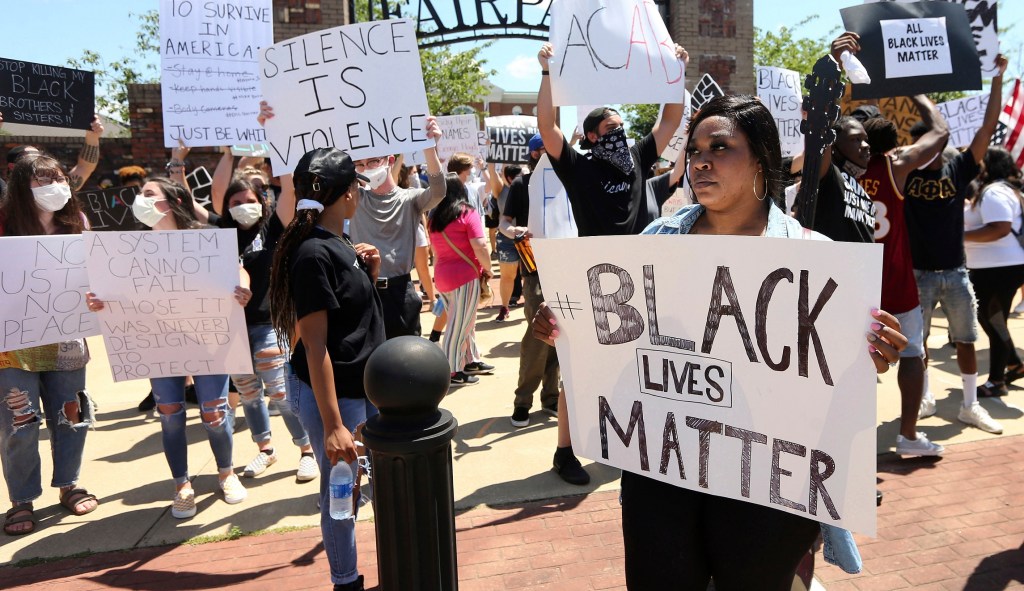
We are living a 1968 redux, some claim, replete with mass demonstrations and street looting. Many argue that the report on the violence of that era, authored by the Kerner Commission, still describes America today: “Our nation is moving toward two societies, one black, one white—separate and unequal.” Whether that conclusion was warranted at the time is an open question in light of the steady economic and social progress of African Americans and the adoption of voting rights and open housing laws that same decade. But today, more than ever, that report no longer describes America: We are literally no longer divided strictly between white and black.
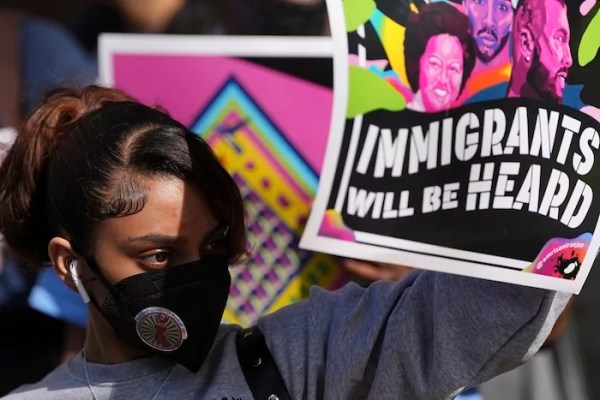
The census inquires specifically about race and has done so historically. In 1970, in the first census following the 1968 protests, America was not only an overwhelmingly white country (87.5%), but virtually the entire racial minority population was African American (11.1%). But the times were, indeed, a’changin’, in the words of Bob Dylan. The Immigration and Nationality Act of 1965 not only reopened the country’s immigration gates, which were essentially closed since 1924, but also was the first of a series of new laws that would vastly diversify the range of immigrants’ countries of origin — including those from East and South Asia, Mexico, Latin America, and Africa. It has, as well, had an impact on America’s black population.