
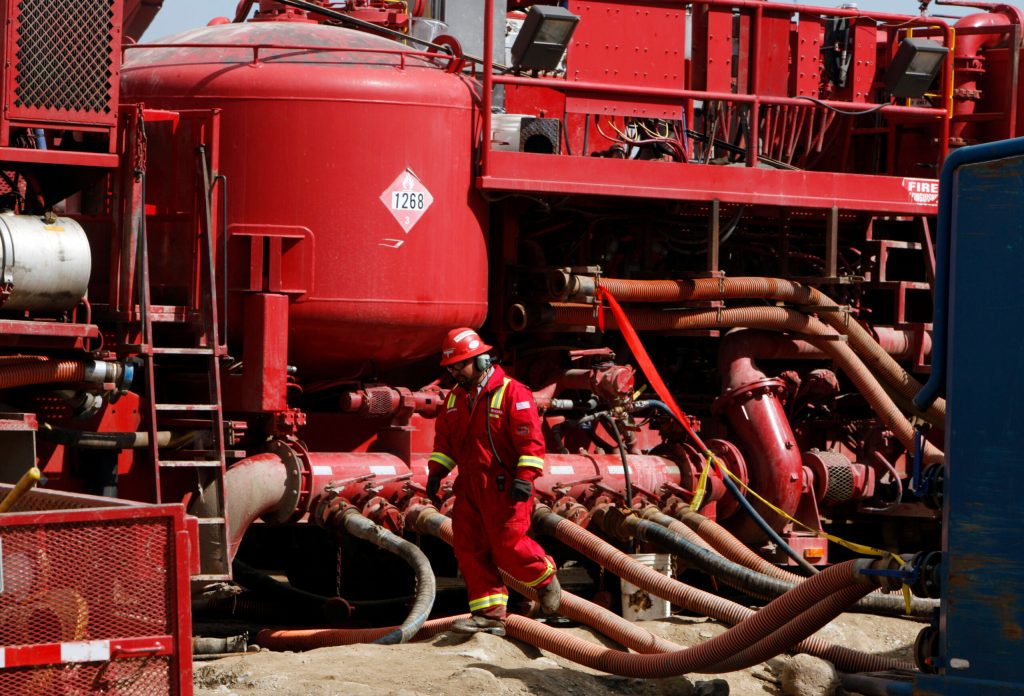
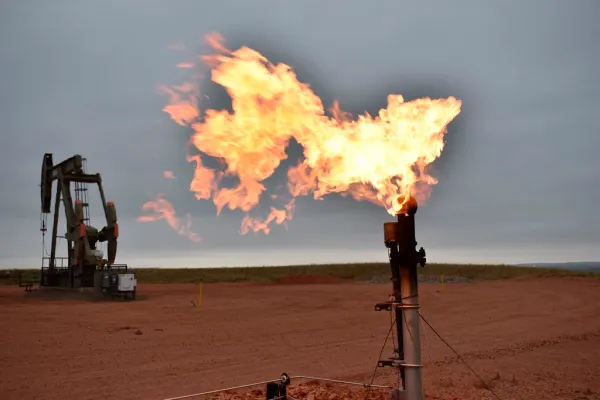
The Environmental Protection Agency took the first steps toward better understanding what has been a relatively inexact science to this point — calculating the amount of methane that is released into the atmosphere from hydraulic fracturing, or fracking, sites.
The EPA released five technical papers on Tuesday assessing methane leaks during the fracking process, the compressors and pneumatic devices used in the oil-and-gas drilling method, and the ongoing emissions from completed wells. The agency now will receive feedback on those papers to help determine which actions should be taken to cut emissions of methane, the biggest unregulated greenhouse gas in the U.S.
Recommended Stories

Print subscriber? Click here to login/register your account
Digital subscriber? Click here to login/register your account.