
A Republican budget proposal offers few details on how it would prevent a projected gusher of government red ink in coming years, White House Budget Director Peter Orszag said.
Republicans have gone from “the party of ‘no’ to the party of ‘no detail,’” Orszag said in an interview on Bloomberg Television’s “Political Capital With Al Hunt” scheduled for broadcast today.
Recommended Stories


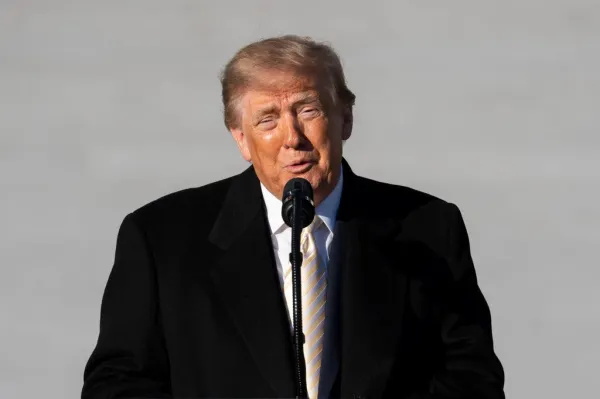
House Minority Leader John Boehner, an Ohio Republican, released earlier this week a 19-page, campaign-style document that included no specific numbers on deficits or government spending.
The plan focused on calling for lower taxes.
Representative Paul Ryan of Wisconsin, the top Republican on the House Budget Committee, distanced himself from Boehner’s document during an appearance on the Bloomberg program.
“There was some confusion as to what was released on Thursday; that was not our alternative budget,” Ryan said. He termed it “a broader Republican economic agenda” and said he would unveil the party’s tax-and-spending plan that includes specifics on March 31.
Ryan blasted the administration’s budget, saying, “We cannot mortgage our children’s future like the budget that we’re being asked to vote on does.”
The comments came as lawmakers prepare to debate President Barack Obama’s budget next week on the House and Senate floors.
Orszag, 40, declined to say whether the administration would favor using a procedural tactic in the Senate later this year that would prevent Republicans from blocking Obama’s proposed overhaul of the nation’s health-care system.
Democrats in Congress are debating whether to use a tactic known as “reconciliation” that would enable them to approve the health-care legislation with a simple majority in the Senate rather than the 60 votes usually needed to move controversial bills there. Democrats control the chamber with 58 votes.
Orszag rejected complaints by some Senate Democrats, including Robert Byrd of West Virginia, that using reconciliation on health care would be inappropriate because the tactic is supposed to be reserved for bills that aim to cut the budget deficit.
“Reconciliation has been used in the past for a variety of purposes” including former President George W. Bush’s 2001 tax cuts “even though that was clearly a huge deficit increaser,” he said.