Restoring America

Conservative values, National renewal

Menu

New York’s data center moratorium is not the answer

Published July 23, 2026 9:00am ET


Data centers have become a significant source of controversy nationwide, drawing the attention of leaders in Washington, where the House of Representatives advanced a bill to protect ratepayers from energy cost spikes, as well as state capitals, as they respond to growing public concerns. Most recently, New York became the first state to impose a data center moratorium.

But saying no to data centers altogether is not the answer. The technologies they support have become foundational to nearly every aspect of our lives, from the way we communicate and access information to how we receive healthcare, manage our finances, and navigate our daily lives. 

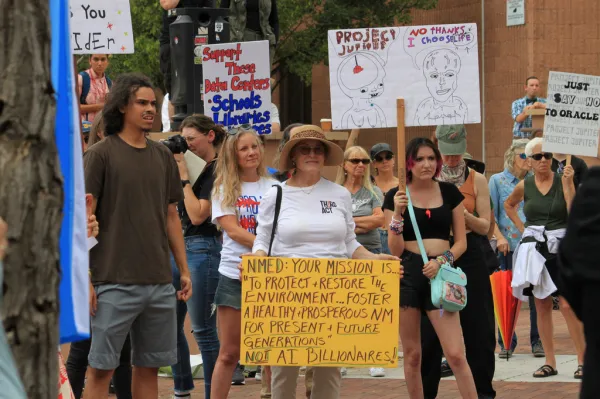
At the same time, ignoring the legitimate trade-offs they present is not the answer either. While it’s true that seven in ten Americans oppose the construction of data centers in their communities, citing concerns about electricity prices, energy demand, water, land use, and the broader implications of AI, policymakers must first understand the facts. Only then can they address these concerns without sacrificing the benefits these technologies can provide.

Alongside manufacturing and electrification, data centers are contributing to a projected ~25% increase in U.S. electricity demand by 2030 and nearly 80% by 2050. While electricity prices have risen nearly 30% over the past five years, data does not yet show a clear link between data center growth and residential electricity price increases. In major data center markets, like Virginia and Texas, consumer electricity prices are rising at a slower pace than the national average. 

In fact, rising electricity demand is not inherently a problem to suppress, but a signal of economic progress. Realizing the benefits of that growth, however, requires the infrastructure to keep pace.

Unfortunately, it takes an average of four years to permit a project under federal environmental review. Some project types, such as geothermal energy and transmission lines, face much longer timelines — often closer to a decade or more. As a result, roughly $1.5 trillion in private investment is tied up in the federal permitting process. Streamlining unnecessary and outdated permitting delays will be critical to ensuring affordability in the face of growing demand.

Not to mention, hyperscalers are increasingly becoming a source of capital for the energy infrastructure projects we need, regardless of the demand they are driving. From Google to Meta, technology companies are helping front the cost of bringing new power sources online to support not only their own operations but the broader grid as well. At a time when energy demand is expected to grow regardless of how much comes specifically from data centers, this represents a new source of capital that we did not previously have at our disposal.

Americans are also rightly concerned about the potential impacts of data centers on our natural resources. In many parts of the country, water is scarce. Yet some concerns about water use are overstated. If data center water use in the United States tripled by 2030, it would still represent a small fraction of the water used by golf courses and agricultural irrigation. Still, water conservation should always be a priority. While the vast majority of legacy data centers currently rely on open-loop evaporative cooling systems, the sector is increasingly shifting toward closed-loop cooling systems, which are more efficient and can reduce freshwater use by up to 70%. 

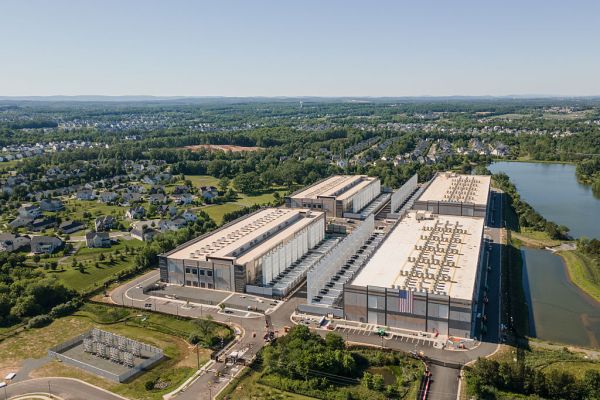
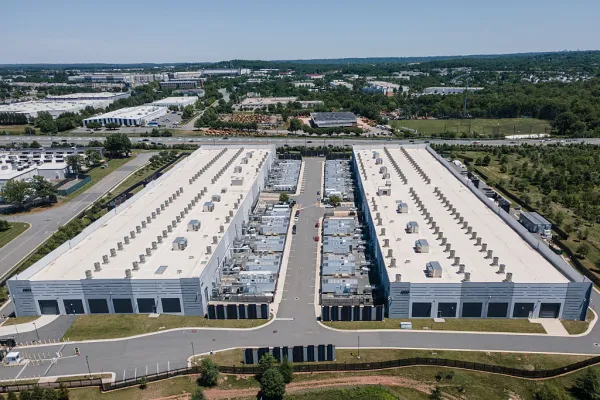
With 67% of planned data centers expected to be built in rural areas, concerns are growing about farmland conversion and impacts on natural landscapes. While data centers bring significant capital investment, agriculture puts food on our tables, and natural areas provide important ecological and recreational value. That’s why it’s critical to be thoughtful about where and how these projects are sited. Rather than dictating what private landowners should or shouldn’t do, policymakers can make it easier and more attractive for data centers to locate on brownfields, industrial sites, and other previously developed areas.

Finally, the economic benefits of data center development in communities should not go unacknowledged. New data center projects can drive meaningful job creation, with studies showing a 4% to 5% increase in local employment over a five-to-six-year period. Once operational, data centers can also provide a significant boost to local tax bases. In Loudoun County, Virginia, for example, data centers have become a major contributor to the local tax base, creating a valuable source of revenue for the community.

CHINA’S ‘OPEN SOURCE’ AI ISN’T A GIFT — IT’S A TROJAN HORSE

Banning or halting data center buildout is not warranted based on the facts. Instead, policymakers should pursue reforms that streamline permitting, encourage responsible water use, and incentivize development away from working lands and natural areas. Data center companies should also commit to independently verified standards that address legitimate concerns, including electricity costs, water use, land protection, and community engagement.

As more of modern life becomes dependent on digital technologies, the need for the infrastructure that powers our economy will continue to grow. Forgoing the data centers that power emerging technologies such as AI would risk surrendering leadership in one of the most consequential technologies of our time. The goal should not be to say no outright, but to responsibly develop the next industrial revolution in a way that strengthens our economy, protects communities and natural resources, and ensures these technologies remain tools that enhance human creativity, work, and flourishing.

Sarah Rosa is the Vice President of Policy at the American Conservation Coalition (ACC) and authored a report on data centers entitled Addressing the Environmental and Community Concerns around Data Centers: Separating Fact from Fiction.