
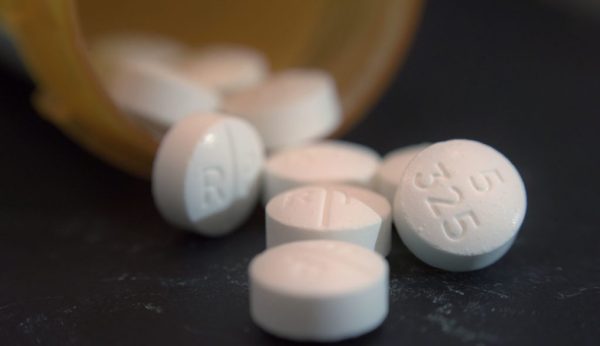
As state and local governments close their books and finalize new budgets for the year, millions of dollars from opioid settlements are moving through various appropriation channels. These payments represent a rare opportunity to strengthen efforts to combat the opioid crisis. But they also present a temptation to use settlement dollars to pay for programs the government was already funding.
This practice is known as supplantation. In effect, opioid settlement funds are used to cover the cost of an existing program that may have some connection to addiction or public health but would otherwise have been paid for with ordinary government revenue. The practical result is that no additional resources reach the opioid response.
Recommended Stories


Print subscriber? Click here to login/register your account
Digital subscriber? Click here to login/register your account.