

Democrats call their current massive spending bill a “COVID relief” bill, but the half-trillion-dollar bailout of state governments has nothing to do with COVID-19 relief. Plenty of states are doing poorly fiscally, but generally, this has nothing to do with the pandemic and everything to do with their own mismanagement.
This was a disputed point back in the spring, but no more. The numbers are in. The coronavirus has not left most states struggling for revenue the way people originally expected.
Recommended Stories



The Congressional Budget Office is anticipating 4.6% economic growth in 2021. That surge, which will come along with the lifting of coronavirus restrictions, will serve as its own stimulus package without any need for government action. And it is sure to boost state revenues.
But even the miserable year of 2020 was not nearly as bad for state and local revenues as people anticipated. Don’t take our word for it — take that of the left-leaning Urban-Brookings Tax Policy Center, whose data was republished this month by the New York Times. According to the data, the overall change in state tax revenue was a decline of just 1.8%.
According to the data, 20 states actually saw their tax revenue rise year-over-year for the period of April through December 2020 — the first seven months when pandemic lockdowns were in force. Sixteen additional states took only a modest hit in terms of tax revenue, losing less than 5% — again, no cause for a massive bailout.
Just a few states were hit very hard. These tend to be states with no income tax and states heavily dependent on tourism for tax revenue. Alaska, for example, which fits into both categories, was down 42.5% on its tax collections, Hawaii was a distant second at negative 17% year-over-year. North Dakota, Texas, Nevada, Oregon, and Florida also experienced double-digit revenue losses.
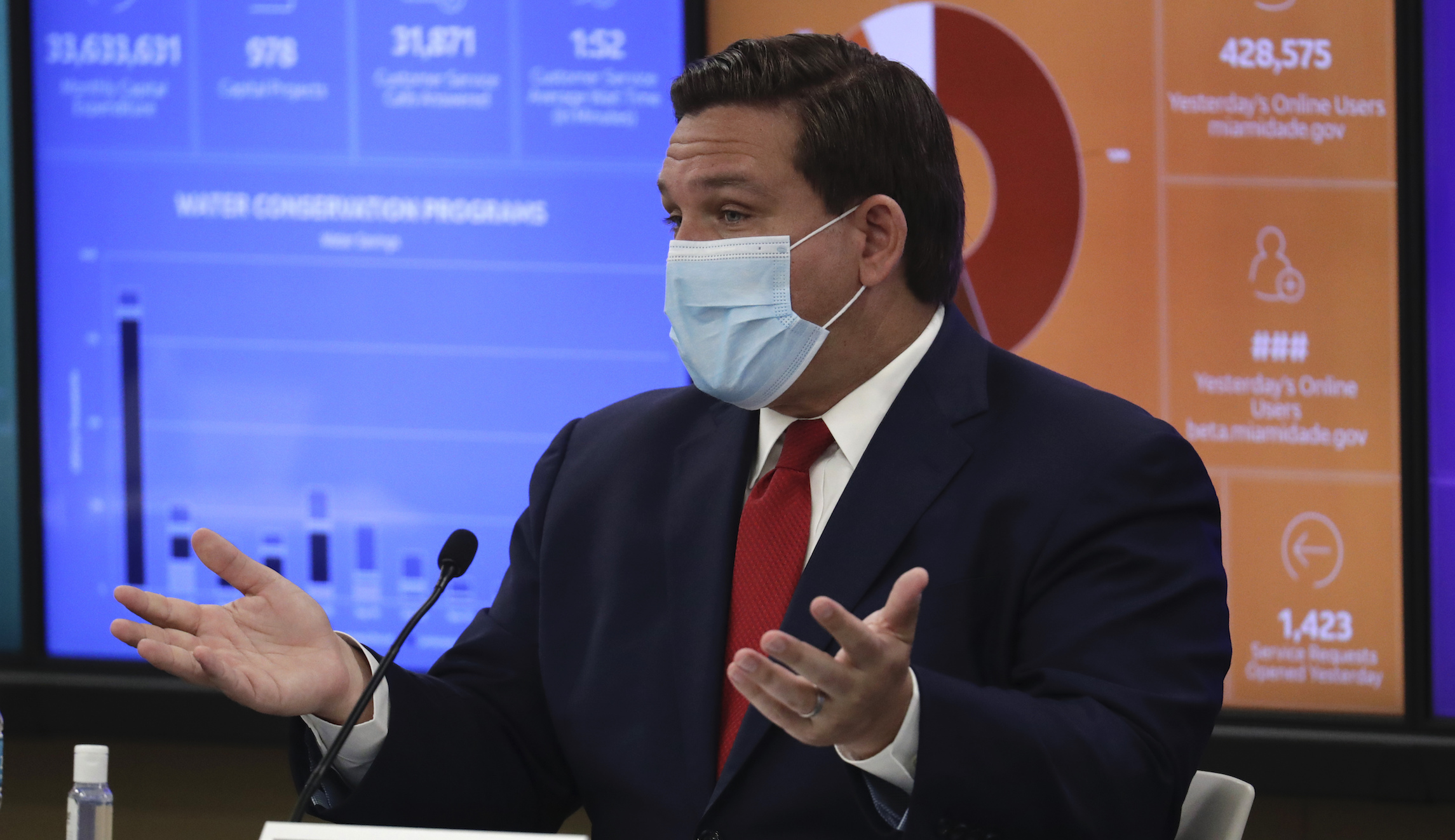
Then again, thanks to the formula by which the administration wants to bail states out through this so-called COVID-19 package, these states might not actually benefit in a manner commensurate with their fiscal situation. Florida Gov. Ron DeSantis has complained, rightly, that the formula for the bailout privileges states with high unemployment, not lost revenues. This means states overly timorous about the virus, and states with bad long-term employment policies and weak economies, might get bailed out even if they actually gained tax revenue during the pandemic.
For example, among the states in the worst quintile for unemployment as of December are California (9.3%), New Mexico (8.6%), Michigan (8.2%), and Rhode Island (7.9%) — all of which actually gained revenue year-over-year during the first seven months of the pandemic. In contrast, Florida (5.1% unemployed) and North Dakota (4.7%) lost significant revenue yet enjoy low unemployment rates.
So sure, perhaps Florida and North Dakota should not be bailed out. But Florida and North Dakota taxpayers will be bailing out states that need bailing out even less than they do. It’s almost as if the Biden administration is determined to reward bad long-term economic policy and bad short-term lockdown policies, not necessarily to aid states that were fiscally damaged by the pandemic.
The pandemic did not cause a widespread state fiscal crisis. It caused a crisis in just a couple of states and serious but surmountable revenue losses in just a few. The federal government has no business now running around trying to solve a crisis that never was.
