

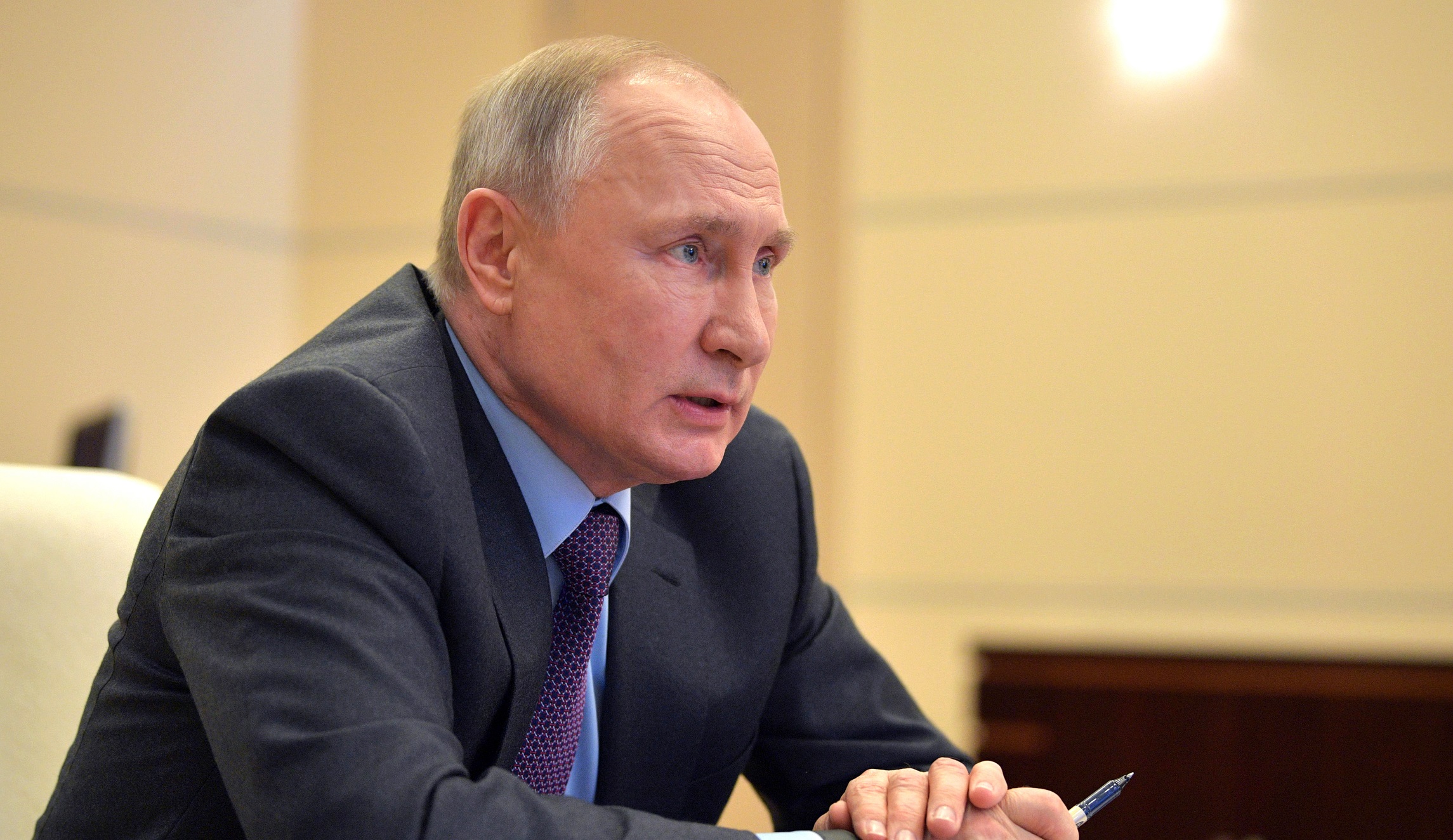
Typically, the United States is the country that opens up the humanitarian spigots and sends aid shipments to foreign governments in distress. On Thursday, however, the tables were turned — and a lot of people aren’t thrilled about it.
Days after President Trump and Russian President Vladimir Putin held a phone call about the oil price war between Russia and Saudi Arabia, a large Russian cargo plane landed at John F. Kennedy International Airport in New York carrying 60 tons of ventilators, masks, respirators, and other medical equipment that doctors and nurses across the country have been rationing during what will be a monthslong coronavirus pandemic.
Recommended Stories


The Russian shipment touched a nerve with former officials who usually take a dim, suspicious view of whatever Moscow does. Brett McGurk, a senior adviser in both the Obama and Trump administrations, condemned the Russian flight and Washington’s acceptance of the equipment as “a propaganda bonanza as our own government shrinks from America’s leadership role in a global crisis.”
Nothing to see here. Just a Russian military aircraft landing at JFK with 60 tons of medical supplies to support America’s #COVID19 response. A propaganda bonanza as our own government shrinks from America’s leadership role in a global crisis. pic.twitter.com/8TKyFqym9E
— Brett McGurk (@brett_mcgurk) April 1, 2020
To the majority of Russia policy specialists in the Beltway, Trump just hand-delivered Putin a soft war victory on a silver platter. As one anonymous former administration official told CNN, “The Russians will fly in as many planes as possible to create the perception that we are reliant on Russia. … If we keep accepting it, this makes us look weak and them look strong.”
It’s indisputable that the Kremlin is basking in the glory of good news. For a country that was in the throes of criminality, corruption, economic depression, and social anarchy in the 1990s, an airlift of medical equipment to a strategic competitor trapped in the desperate throes of a health crisis is one more opportunity for Moscow to project itself as a major mover and shaker on the global stage. Russian television networks are having a field day, broadcasting video of the Russian aircraft landing on American soil and beaming the words of appreciation shown by American air traffic controllers.
Is all of this a Russian propaganda victory? One only needs a quick glimpse at the news coverage from Moscow to come to the obvious answer. But so what? The Kremlin can spin the news any way it likes. Its self-serving promotional talents don’t outweigh the fact that the U.S. is in short supply of the very medical equipment and devices the Russians airlifted to the U.S. this week.
Consider for a moment how dire the situation is. The Strategic National Stockpile is nearly empty. Hospitals in New York City are hemorrhaging personal protective equipment. Multiple patients are being kept alive on a single ventilator due to a nationwide shortage of the machines. The pace of COVID-19 patients being admitted to hospitals is increasing every single day and taxing the healthcare system’s ability to provide adequate care. Nurses on the frontlines are exposing themselves to extreme risk, and some have even died from the virus. When governors aren’t calling the president and begging for more federal assistance, they are in bidding wars with each other over personal protective equipment for doctors and nurses. The virus has claimed so many victims in New York City that the state’s department of health has dozens of refrigerator trucks parked outside hospital wards.
Americans are trapped in a public health catastrophe this nation hasn’t seen in a century — and the Trump administration is telling us that the worst is yet to come. Despite all of this, Russia hawks in the Washington foreign policy establishment seem to care more about optics and putting points on the public relations scoreboard than confronting the horrible reality afflicting the U.S.
Putin can claim credit for do-gooderism. The Russian government can talk itself into a euphoric frenzy over a single humanitarian aid shipment to New York. The Kremlin is world-renowned at disinformation operations, and the Russians were going to spin this development to their benefit whether or not Washington accepted the aid.
The U.S. has bigger problems right now. With funeral homes in the New York area filled to capacity and many medical professionals crying as they go home after their shifts, America’s medical community needs all of the equipment it can get.
If the foreign policy commentariat wants to be upset about something, it should be upset that the U.S. put itself in the dreadful position it’s now in.
Daniel DePetris (@DanDePetris) is a contributor to the Washington Examiner’s Beltway Confidential blog. His opinions are his own.
