Tariffs are bad; trade quotas are no better

President Trump seems poised to step up tariffs and trade tensions with China. These tariffs, however, are a major sticking point with all his free trade negotiations — not just with China, but Canada and Mexico too. His recent tweet threatening to increase tariffs on China raises the question: What’s next for the United States–Mexico–Canada Agreement?

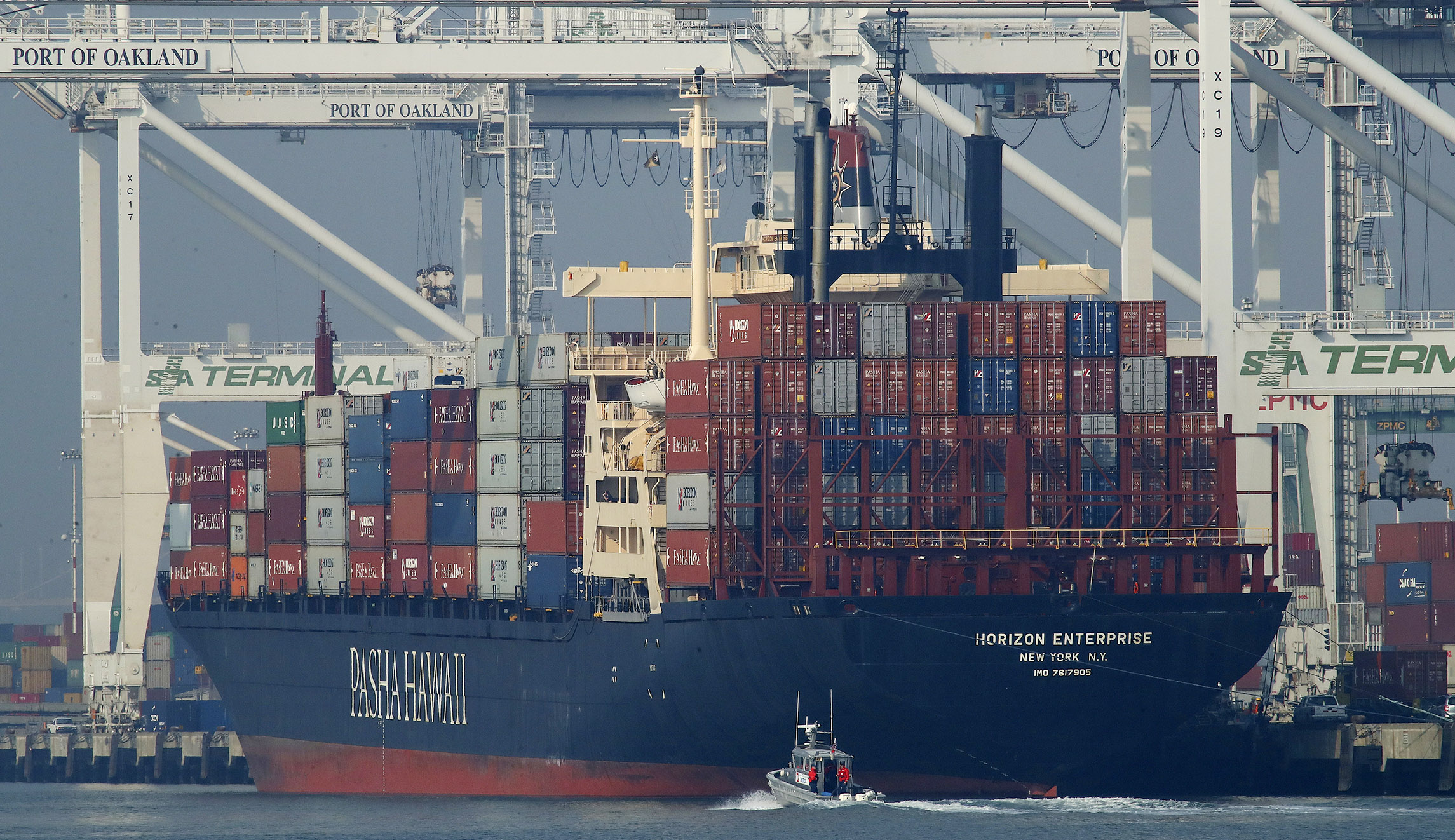
Ideally, Trump will keep his promise and scrap all the steel and aluminum tariffs on Canada, Mexico, and other countries (China included). After all, tariffs work just like taxes: They raise barriers to trade and penalize American workers and consumers.

Free trade agreements like the USMCA traditionally lower or even remove trade barriers. That’s what NAFTA did: Nearly all tariffs imposed by the U.S., Canada, and Mexico on each other were brought to zero.

So it’s no wonder that Canada’s chief trade minister called the steel and aluminum tariffs “completely unacceptable,” making it unlikely Canada will ratify the deal while the tariffs remain in place. Canada and Mexico negotiated in good faith that the tariffs were just enticements to the bargaining table.

Scrapping the tariffs would be easy and the right thing to do. It would help American businesses and consumers. Instead, however, the president is reportedly considering replacing them with quotas. After all, American negotiators were able to secure a quota on Korean steel in the updated Korea-U.S. free trade agreement, so why not?

Because quotas could be even worse than tariffs.

Quotas, like tariffs, are harmful. They restrict the supply of imports and increase prices.

We’ve seen it before. In 1981, President Ronald Reagan pushed Japan into accepting voluntary quotas on their automobiles. The auto industry, reeling from high costs and a recession, lobbied Reagan hard for protection from Japanese competition. Reagan gave in. But of course, once quotas were in place, American auto companies simply raised prices. Predictably, Americans consumers, themselves struggling with the recession, bought fewer new cars. Ultimately this cost Detroit and American auto workers tens of thousands of jobs.

What Detroit didn’t do was retool, innovate, cut costs, and become more competitive. This was not surprising. Numerous studies have shown that protections like quotas produce long-term, even irreparable, harm to an industry. Ironically, Japanese firms benefited from these export restraints at the expense of American consumers. Oops.

Quotas are more insidious than tariffs. For one thing, they aren’t transparent. Think of tariffs like a sales tax: They are charged directly on an import. Harmful, but still a fairly simple transaction.

But quotas set detailed levels for imports, even from individual countries. That means hordes of government bureaucrats set out and track how much of each particular import can come into the U.S. from every country! Trying to predict when a quota will be reached is impossible and can wreak havoc on American businesses. A tariff, meanwhile, is just slapped on top of the import cost.

Tariffs can be quickly lifted, like the steel and aluminum tariffs and those on China. The same cannot be said for quotas. Attaching quotas to the USMCA would integrate them into the very fabric of the trade agreement, the steel industry, and related industries, making them more difficult to remove.

Take U.S. quotas on sugar. Sugar has enjoyed protection almost since our country’s founding, while U.S. sugar quotas were first introduced in 1934. Today, we have tariff rate quotas on both refined and raw sugar, which means any imports over a certain level are subject to tariffs: the worst of both worlds.

The tariff rate quota for raw cane sugar is divvied up between 40 countries: refined sugar quotas largely, but not exclusively, go to Canada and Mexico. All this must be juggled by the Office of the U.S. Trade Representative, even making specific allotments to producers, as if they have some special knowledge about what will happen in the world sugar markets. This is why sugar prices in the U.S. have been roughly double the rest of the world for years.

Quotas are also insidious since it’s hard to see a direct impact from restricting supply, so measuring price increases is extremely difficult.

Quotas are no substitute for tariffs; in fact, they are a turn for the worse. This explains why trade ministers in both Canada and Mexico have also quashed the notion of both tariffs and quotas — rightly so.

Alison Acosta Winters is a senior policy fellow at Americans for Prosperity.

Related Content
