

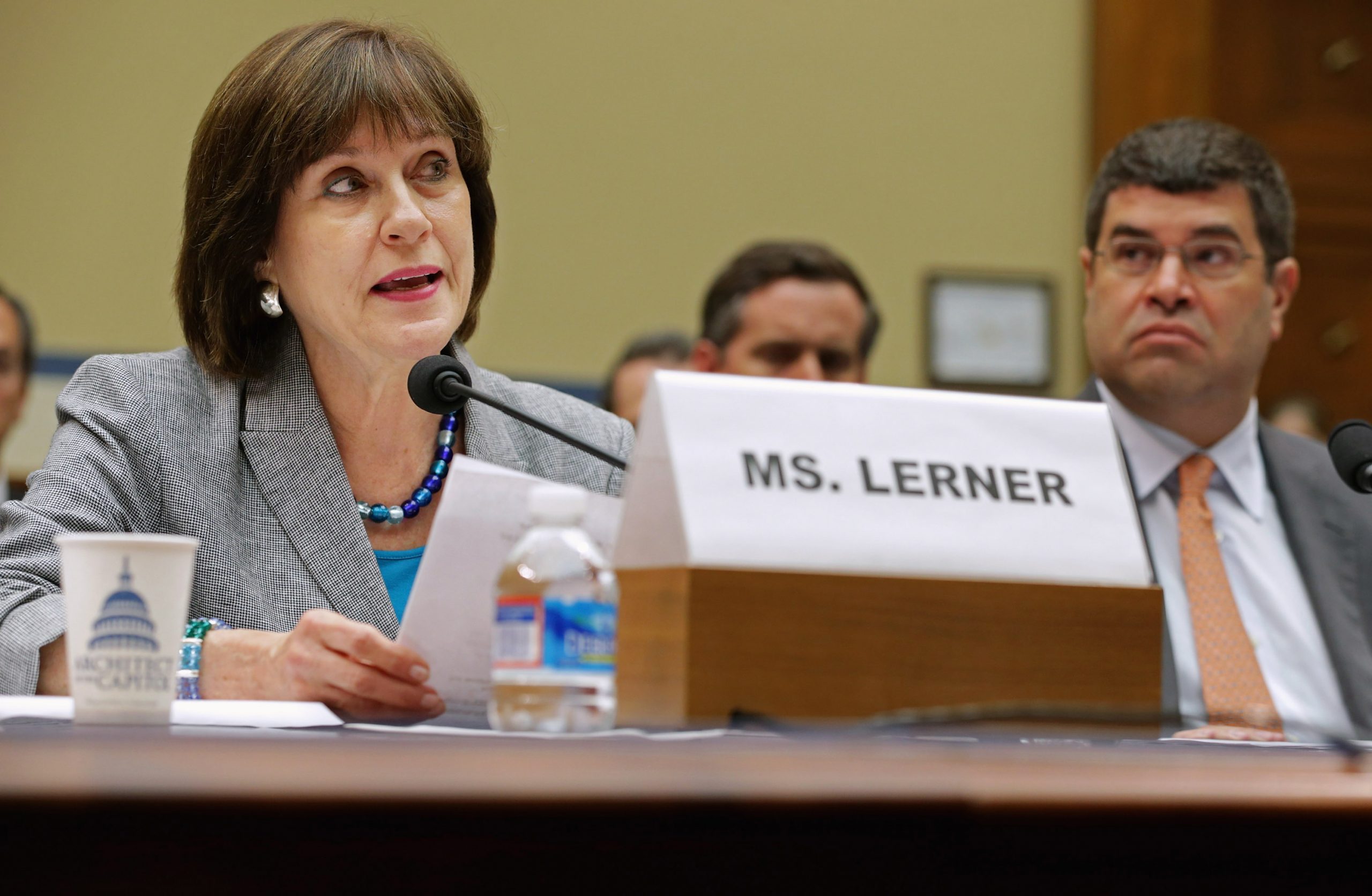
Perhaps it comes as no surprise that Internal Revenue Service officials have not been held to account for their role in targeting conservative non-profit applicants. Perhaps the multiple deceptions involved in that scandal — including the concealment of retrievable emails — just offers another example of what Americans have come to expect from the federal bureaucracy.
That IRS malingering deliberately made this year’s tax filing season harder for taxpayers should surely add to this same impression. So should the fact that many IRS employees are behind in paying their own taxes — there were 18,300 cases of this in the last ten years, in an agency with roughly 85,000 employees.
Recommended Stories


But it’s actually much worse than that. Last week, the Washington Examiner reported on the 1,580 IRS employees who were caught intentionally cheating on their taxes between 2003 and 2014. These are not mere tax delinquents — people who filed honestly but couldn’t afford to send payment in a timely fashion. Rather, these are people who were caught willfully and knowingly breaking the law in order to reduce the amount they would have to send to the IRS — the very agency where they work.
Only about 400 of these tax-cheat tax-collectors were fired. Another 220 resigned or retired before they could be disciplined. As for the other 960 cases, the IRS was able to offer no explanation why they had not been fired, as federal law requires.
Inspector General J. Russell George’s report on the matter notes that “[s]ome employees had significant and sometimes repeated tax noncompliance issues, and a history of other conduct issues,” the report said. “Moreover, management had concluded that the employees were not credible. Nonetheless, the proposed terminations were mitigated by the IRS Commissioner.”
But it gets worse still. Amazingly, 108 of the 960 who were neither fired nor quit the agency actually received promotions, raises, bonuses, or time-off awards shortly after being caught.
The law requiring termination for tax-cheats at the IRS exists for a reason. It is intended to bolster public trust in the agency and in the tax system, which depends heavily on voluntary public compliance. If that compliance were to wane suddenly based on public judgment of IRS conduct, the system could potentially collapse.
The IRS is one of the government’s less popular agencies, and so it’s one of the easiest to criticize. But the pattern of behavior here is typical of the federal bureaucracy. Veterans across the country wait in agony and die without medical treatment thanks to bureaucratic manipulations? The Department of Veterans’ Affairs finds a way to protect the perpetrators and prevent anyone responsible from actually being fired. The examples abound in agency after rotten agency.
The bureaucrats cover up wrongdoing and retaliate against whistleblowers. They scatter when the light shines upon them, then gather again when it shines elsewhere. A government whose agents behave in this way is crying out to be made smaller and less powerful, because it has proven impervious to all of the more gentle remedies.
