

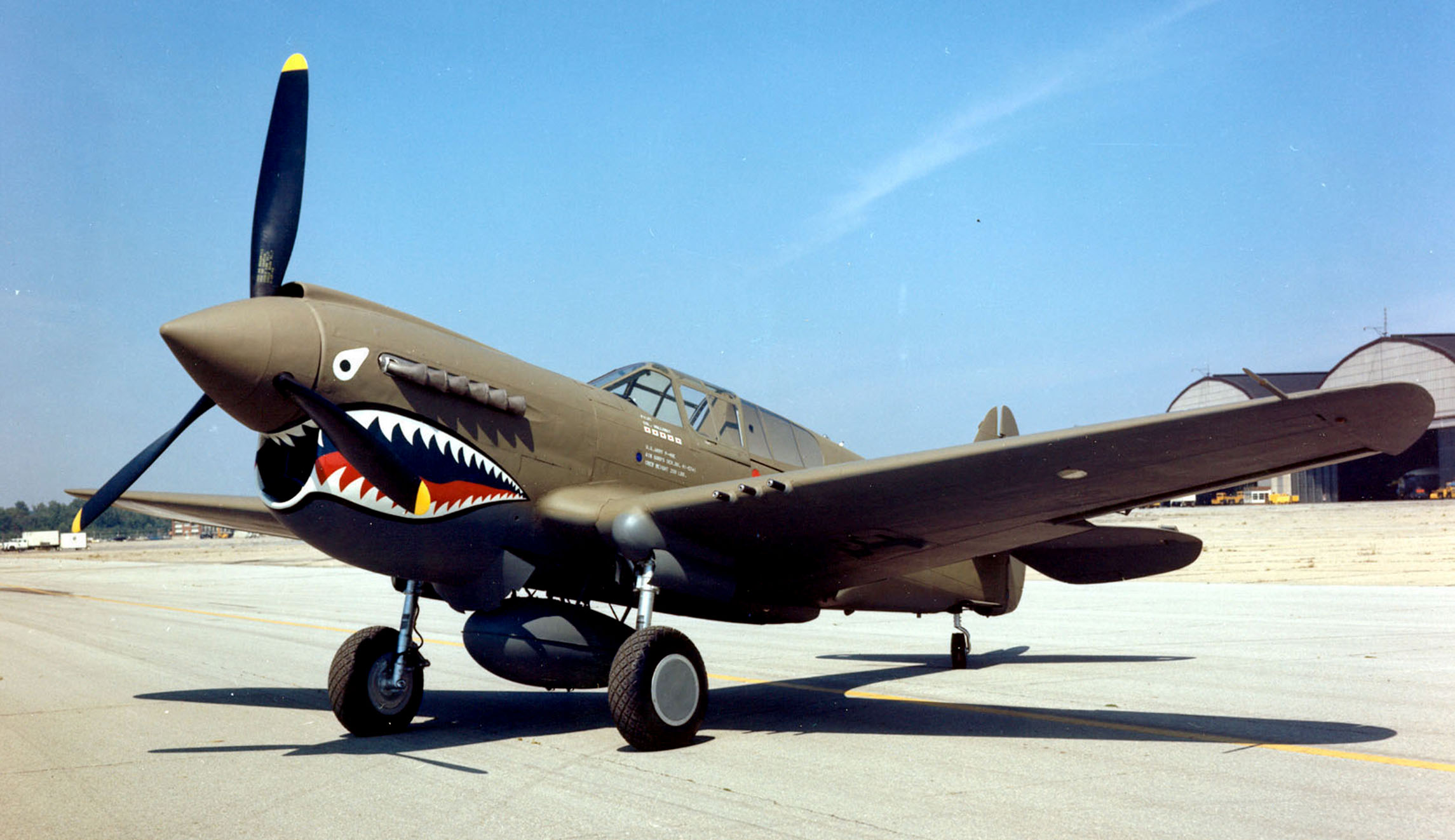
It is always fascinating to examine well-studied historical events from neglected perspectives — especially when those perspectives involve a nation with whom our country currently has fraught geopolitical relations. Sam Kleiner’s Flying Tigers brings precisely this sort of perspective to the well-known story of American involvement in World War II’s Pacific theater. He recounts the tale of a group of American pilots who effectively (and, according to some, unlawfully) supported China’s struggle against Japanese imperialism before the bombing of Pearl Harbor. Kleiner’s book offers readers insight into a pivotal era of American history from the unique point of view of Americans who fought alongside our forgotten ally, China, and thus provides a reminder to readers on both sides of the Pacific that the Sino-American relationship hasn’t always been adversarial.
The account begins with American aviator Claire Chennault’s resignation from the U.S. military. He did so at the request of Soong Mei-ling, the wife of Chiang Kai-shek — republican leader of the Republic of China from 1928 to 1975 and lifelong enemy of future Chinese Communist Party Chairman Mao Zedong. Chennault left his position to accept her invitation to survey and improve the Chinese Air Force. When he arrived in China in April 1937, Japan and China were not yet at war, but the situation was volatile and a Japanese ultimatum to China was only months away.
Stay informed.Stay ahead.
Join Washington Examiner for unlimited access to the news, analysis, and commentary that matter most.
Already a member? Log in
