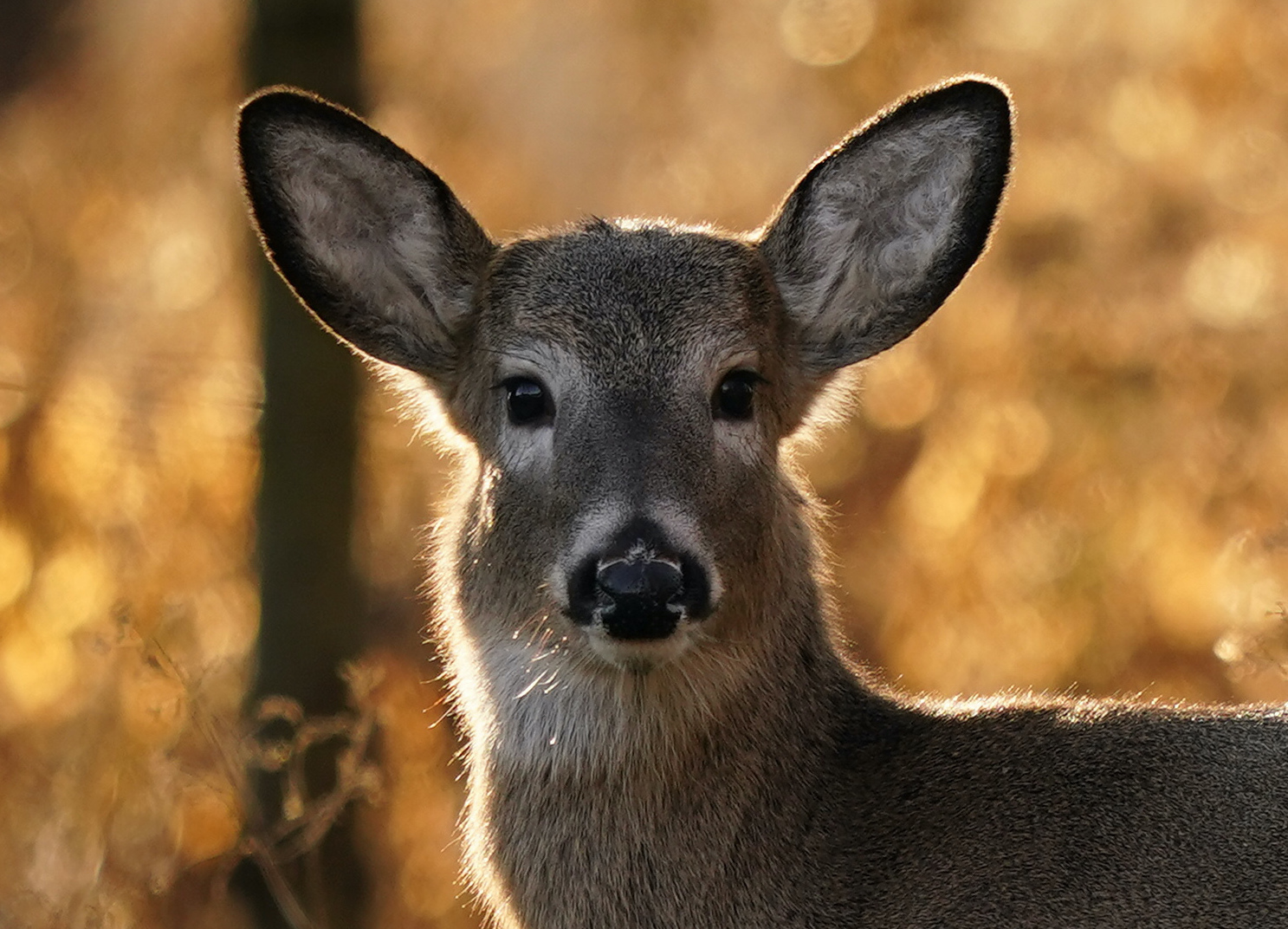
Potential for deer-to-human COVID-19 transmission: Study

New evidence suggests that a white-tailed deer can likely pass the coronavirus to a human, Canadian researchers said.

The team of scientists declared that through a “multidisciplinary research collaboration for SARS-CoV-2 surveillance in Canadian wildlife,” a brand new and “highly divergent lineage” of the coronavirus has been uncovered, according to a yet-to-be peer-reviewed study published in BioRxiv.

“Together, our findings represent the first evidence of a highly divergent lineage of SARS-CoV-2 in white-tailed deer and of deer-to-human transmission,” the study read.

BRAINWASHED: YOUNG CONSERVATIVES SAY LEFTIST INDOCTRINATION IS CRIPPLING THEIR GENERATION

“This lineage has 76 consensus mutations including 37 previously associated with non-human animal hosts, 23 of which were not previously reported in deer. There were also mutational signatures of host adaptation under neutral selection. Phylogenetic analysis revealed an epidemiologically linked human case from the same geographic region and sampling period,” the group reported.

White-tailed deer in the United States were found to have been infected with the omicron variant of the coronavirus in New York state, the report noted, and Canadian white-tailed deer have been infected with COVID-19 in the nation’s central provinces.

The infected Canadian deer were discovered after the research team sampled hundreds of deer from Ontario throughout the 2021 hunting season, according to a report.

Nasal swabs and tissue from retropharyngeal lymph nodes were tested for the virus, according to the report.

“Overall, SARS-CoV-2 RNA was detected in 21 samples representing 6% [17/298] of hunter-harvested [white-tailed deer] included in the present study; all positive animals were adult deer from southwestern Ontario and the majority [65%] were female,” researchers reported.

“Interestingly, the closest relatives to the ON deer were human and mink-derived samples from nearby Michigan back in 2020. We also identified a single human case that was very similar to our deer samples and came from the same time-frame and region as the deer samples,” Finlay Maguire, one of the authors of the study and an assistant professor at Dalhousie University, tweeted.

“It is hard to fully resolve the relationships within this group of genomes with so few samples. However, this spatiotemporal link and known close contact with deer [epidemiological link] means this represents a potential deer-to-human transmission event,” he said.

The opportunity for a deer-to-human transmission underscores “the potential for [white-tailed deer] to act as an animal reservoir,” the study reported.

CLICK HERE TO READ MORE FROM THE WASHINGTON EXAMINER

It is not confirmed how the deer first contacted COVID-19, and no other case of a human being infected with the new sequence of the virus has been reported.

Related Content
