

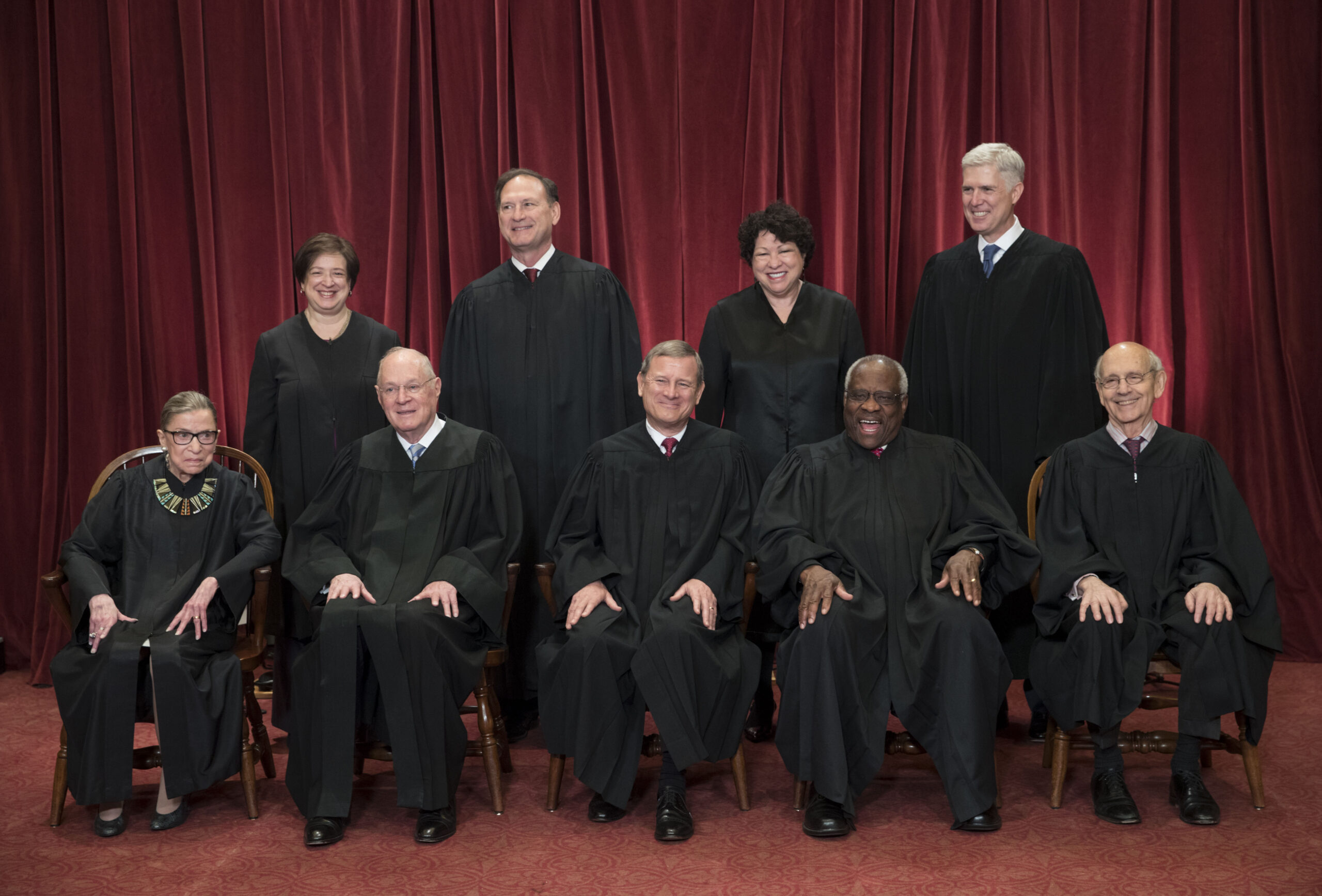
Two months ago, the U.S. Supreme Court took something of a trip to a small playground in Missouri. And on Monday, the court took us all on a journey back to the origins and intent of the First Amendment.
The court’s 7-2 opinion in Trinity Lutheran Church v. Comer is significant in that it clarifies that government officials mustn’t play around with the basic freedoms of religious organizations. Specifically, the court held that “the exclusion of Trinity Lutheran from a public benefit for which it is otherwise qualified, solely because it is a church, is odious to our Constitution…, and cannot stand.”For those unfamiliar with the “Playground Case,” I explained the background in a previous post for The Examiner: The facts are straightforward. Trinity Lutheran Church operates a preschool called The Learning Center, which has a playground on site for use by students and the community at large. Trinity applied for a state program instituted to make playgrounds safer by reimbursing grant recipients for rubberized surface material they purchase for the playgrounds. The program, known as the Missouri Scrap Tire Grant Program, also benefits the environment because the surface material is made from recycled tires, thereby reducing the number of tires in landfills. Appropriately, the program is funded by a tax on all tire purchases, ensuring that the community pays and the community benefits.
Stay informed.Stay ahead.
Join Washington Examiner for unlimited access to the news, analysis, and commentary that matter most.
Already a member? Log in
