Sebelius breaks the Hatch Act — will there be consequences?

Over the past week, the news-consuming public has been understandably focused on the attacks against U.S. embassies in the Middle East. But in the midst of the foreign policy crisis, another important story was unfolding within the Obama administration. On Wednesday, the government’s independent Office of Special Counsel found that Secretary of Health and Human Services Kathleen Sebelius violated federal law when she appeared at an event in her official capacity and on government time to promote President Obama’s re-election. The chief executive took no disciplinary action despite a clear finding of an illegal act by one of his senior appointees.

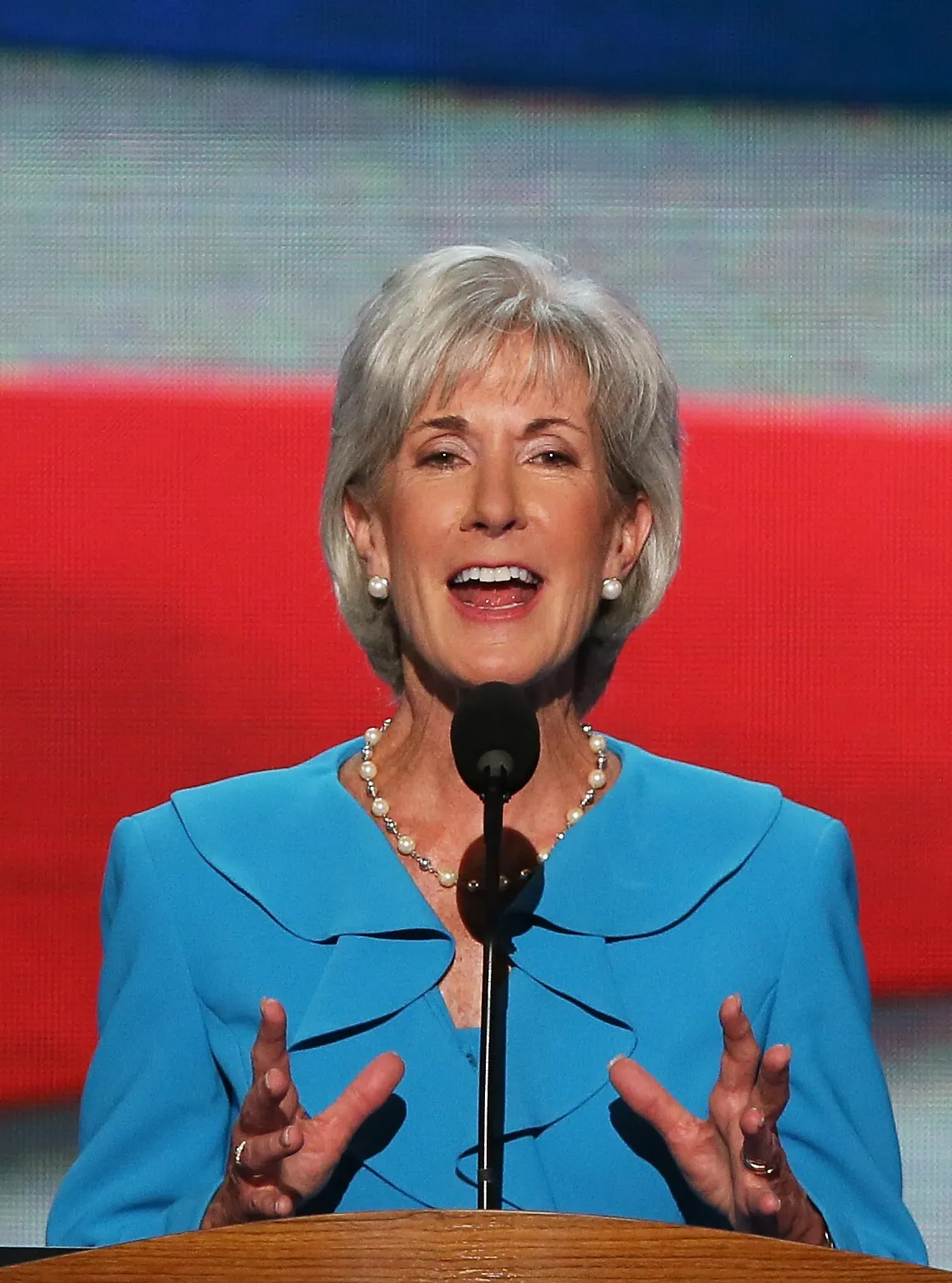
As OSC details in its report, Sebelius traveled to Charlotte, N.C., on Feb. 25, 2012, in her official capacity as a Cabinet official to be the keynote speaker at a gala for the Human Rights Campaign, a lesbian, gay, bisexual and transgender rights group. During her speech, she veered from her prepared text, and made a number of explicitly political remarks. Among other partisan statements, she urged the audience, “it’s hugely important to make sure that we re-elect the president and elect a Democratic governor here in North Carolina.”

Though such comments sound mundane, especially during an election year, OSC concluded that they ran afoul of the Hatch Act, a law that for decades has unambiguously barred “using official authority or influence to affect the results of an election.” Typically, government employees who violate the statute lose their jobs, even for what could be seen as minor infractions. For instance, in March 2011, a doctor who worked at a Veterans Affairs hospital in Arizona was ordered removed from his job because, while on duty, he forwarded two political fundraising emails to his colleagues.

Though the Hatch Act does provide more leeway for officials appointed by the president and confirmed by the Senate, such as Sebelius, it specifies that they may only campaign on their own personal time. As the OSC report notes, “Secretary Sebelius’s calendar and a briefing memo prepared by her staff identified the event as official.”

In her response to the ruling, Sebelius conceded that her remarks were a “mistake,” but argued that any violation of the statute was merely “technical and minor,” because the event was later retroactively reclassified by HHS as political, and the Democratic National Committee reimbursed her travel-related expenses.

The only reason the event was reclassified, however, was that her partisan remarks drew media attention at the time. If she goes unpunished and the Sebelius standard becomes the norm, future Cabinet officials who engage in politicking in an official capacity could have their agencies retroactively change the designation of a given action from “official business” to “political” and get off without consequence. This would render the Hatch Act meaningless, which is why, even after considering the trip’s retroactive reclassification, OSC wisely still ruled that Sebelius had violated the law.

As with all Hatch Act violations by Cabinet officials, OSC referred the matter to Obama to decide on disciplinary action. So far, the White House has only stated that, “This error was immediately acknowledged by the secretary, promptly corrected, and no taxpayer dollars were misused.” It sends a bad signal to federal employees everywhere when Obama allows his top officials to rewrite the rules without punishment, even as lower level career civil servants get the axe. Why should Sebelius be given special treatment?

Related Content
