

The recent news that government revenues are down, combined with the Treasury Department’s announcement that federal borrowing is up, has evoked howls of we-told-you-so from our friends on the left.
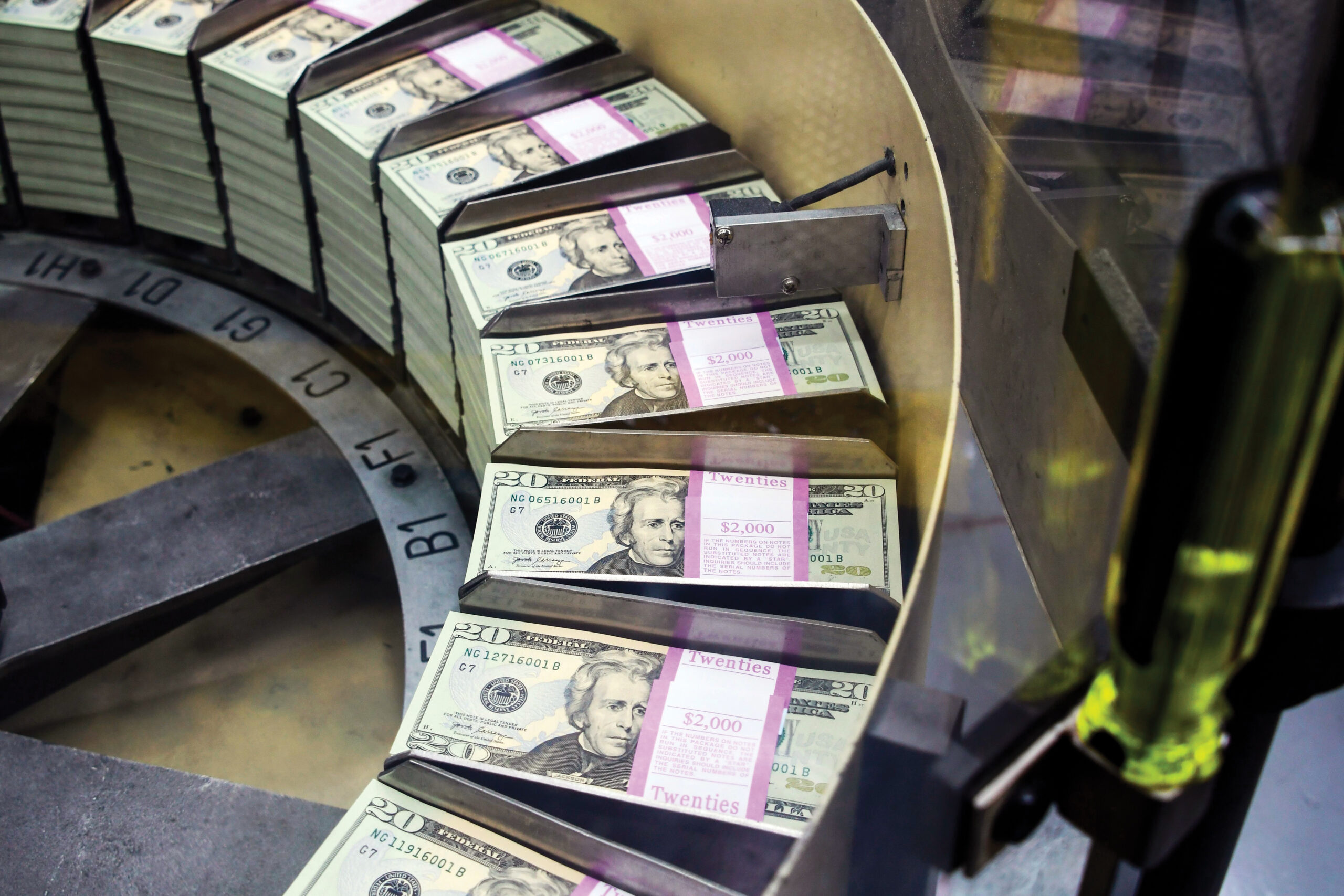
That last year’s GOP tax cuts have played a role in widening the federal deficit is beyond dispute—revenues fell 7 percent in June of this year compared with the same month in 2017, and corporate tax payments have dropped steeply. Then, on July 30, Treasury announced that it will borrow $329 billion over the next three months—a hefty increase of $56 billion over earlier forecasts. The department announced further that borrowing would need to increase sharply in light of falling receipts and increased spending.
Stay informed.Stay ahead.
Join Washington Examiner for unlimited access to the news, analysis, and commentary that matter most.
Already a member? Log in
We strongly supported the 2017 tax-reform bill, but not in the belief that revenues would magically remain the same. We did so because the U.S. economy had limped along at about 2 percent growth for a decade and seemed unlikely to do any better for the foreseeable future. Given the Obama administration’s regulatory follies and our highest-in-the-world corporate tax rate, there was little hope of reviving private-sector growth sufficiently to even think about narrowing the deficit—never mind paying down the debt—without major reform. The GOP passed its tax cut in tandem with the administration’s noble efforts to jettison reams of Obama-era regulations. The result: Economic growth has improved and unemployment has fallen in 2018—and did so despite President Trump’s hostility to our trading partners and regular attacks on U.S. companies.
There is now at least a hope of achieving the kind of sustained economic growth that two decades ago allowed a Republican-controlled Congress—together with an ideologically flexible president—to generate revenue surpluses. War, a brief recession, and a failure of principle led the GOP to squander that achievement, but the Republican Revolution of the 1990s proved beyond doubt that we need not surrender to the tyranny of permanent deficits.
Alas, nothing about today’s GOP leads one to believe the party has regained the sense and conviction it lost in the 2000s. It’s true that Republicans look sane compared to congressional Democrats, but that’s saying very little. With entitlement spending overwhelming the federal budget and guaranteeing that future generations will devote much (perhaps most) of their wealth to the Sisyphean task of ensuring that Social Security, Medicare, and Medicaid remain functional, an insurgency within the Democratic party is demanding we expand these programs.
Vermont senator Bernie Sanders’s “Medicare for All” proposal would accomplish the progressive dream of nationalized health care, but it would do so through Obamacare’s cockamamie system of government-funded third-party insurance providers—thus more expensively and less efficiently than even a fully nationalized system could do. An analysis of the Sanders plan by Charles Blahous, a former member of the Medicare board of trustees, puts the cost at $32.6 trillion over 10 years.
But the Democrats don’t control both chambers of Congress and the White House; Republicans do. And the GOP, having done its work to release the private sector from a punitive tax structure, now sits silent and refuses to lift a finger to reduce the size of government and consequent expenditure of public money. There were hopeful signs 18 months ago—the White House proposed modest budget cuts, and the Education Department told Congress it needed less money than it did the year before. When Trump took office, he rightly censured the previous administration for piling on “more new debt than nearly all of the other presidents combined.” Yet in his State of the Union speech a year later, he omitted all mention of the nation’s $20 trillion debt and nearly trillion-dollar deficit. And the leaders of his party in Congress had nothing much to say either. Mark Meadows (R-N.C.), chairman of the House Freedom Caucus, gave Trump’s speech an “A-plus.”
A few in the House recognize the party’s opportunity and obligation to put expenditures in the same ballpark as revenue. Budget Committee chairman Steve Womack (R-Ark.) recently proposed sensible reductions to entitlement spending, but Senate majority leader Mitch McConnell—assuming the past is precursor—will quickly conclude that such a measure is too controversial and kill it in the upper chamber.
With the 2017 tax bill, Hill Republicans acted to create the economic circumstances necessary to maintain prosperity and meet the country’s financial obligations. That was the first part, the easy part. The second and harder part—undoing the reckless errors of more than one generation of Washington policymakers—is no less necessary to the future of the republic.
