Why pen and phone keep prevailing

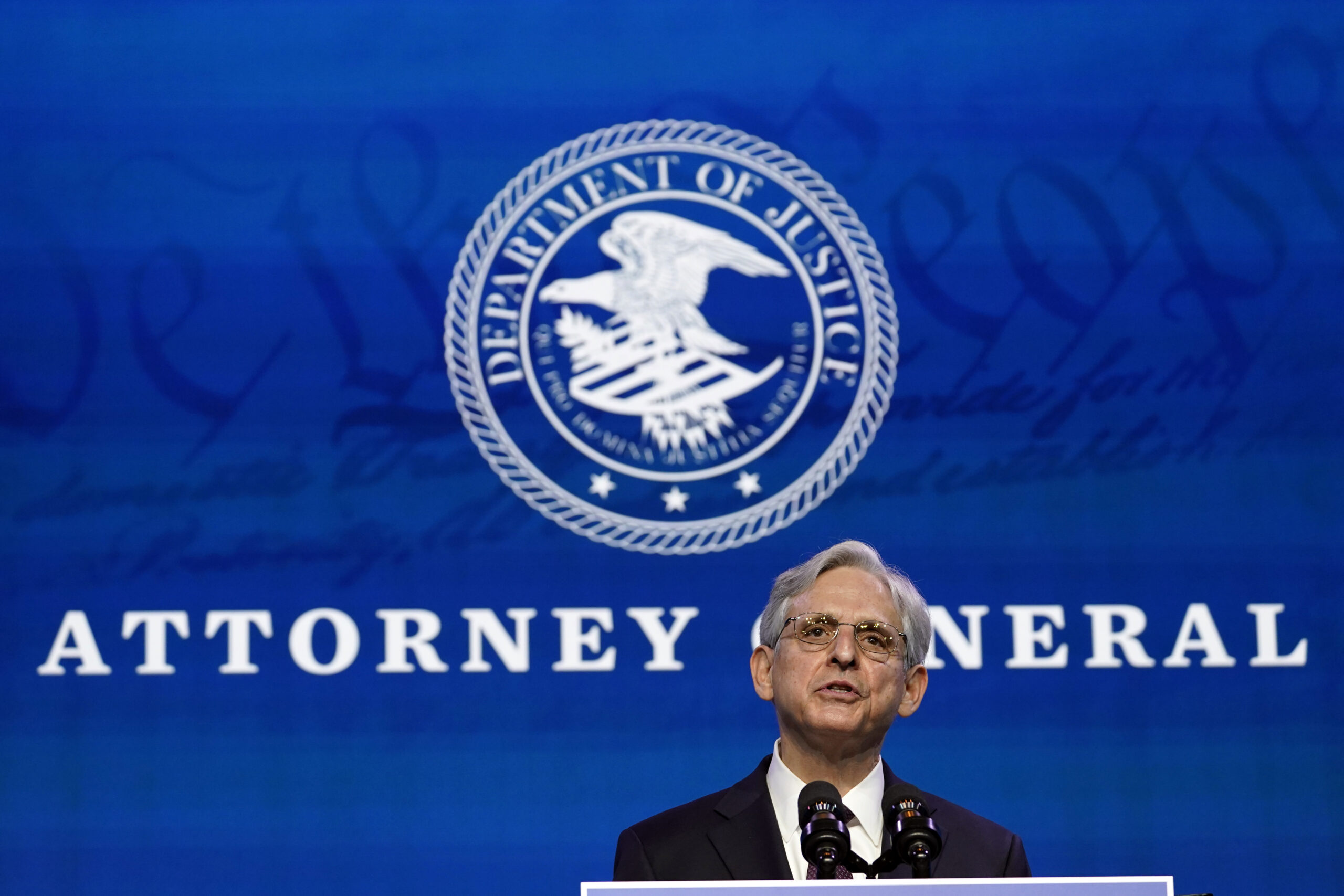
Republican Sen. Ben Sasse of Nebraska raised the evergreen issue of presidential power with Merrick Garland, President Biden’s selection for attorney general, in his Monday confirmation hearing.

“Is congressional inaction a legitimate basis for Article 2 to decide it just must act because it wishes policy were different and legislation doesn’t move?” Sasse asked, continuing, “Therefore, you have a pen and a phone. Can you just act because Congress didn’t?”

“You’re asking really tough questions of our basic constitutional structure,” Garland responded, and probably for more reason than one.

Sasse was leading him into something. It was former President Barack Obama who popularized the “pen and phone” notion, the man who once did Garland the honor of nominating him to fill a Supreme Court vacancy and the same man whose confidant, now president, just did Garland the honor of nominating him to lead the Justice Department.

Garland explained that it’s not really all right for the president to act “simply out of [being] upset that Congress hasn’t done what you want.”

To that point, the Obama administration developed an initiative for that exact condition, which it called “We Can’t Wait.” Its webpage includes this note: “President Obama is not letting congressional gridlock slow our economic growth.”

Importantly, executive action is not inherently malign, and Congress has given the president a great deal of new authorities beyond the basic constitutional ones. See the Immigration and Nationality Act as an example, which Trump used to suspend entry of certain foreign nationals, actions upheld by the Supreme Court on the grounds that Congress had authorized him to do it.

The problem is presidents treating their pen and phone as a substitute for congressional action, even to the ridiculous point of making a public relations campaign out of it. The Constitution does not envision that.

As Cato Institute legal scholar Ilya Shapiro has written on this, “No matter how much you hold it up to the light — and no matter what textual penumbras you induce — there’s no ‘gridlock clause’ in the Constitution by which the president’s power increases to the extent Congress doesn’t support him. Indeed, gridlock is a feature of our system, not a bug, meant to check executive abuse and majoritarian populism both.”

Certainly, one of the barriers to a more functional and more properly representative government is the political environment itself, which encourages a dominant presidency. Congressional majorities have been narrow for years. Legislating is a difficult thing to do, especially when you’re in constant crisis mode. The presidency is much more reliably capable: just sign an order and go find some funds that haven’t been used.

In addition to that, Congress itself has created a sprawling bureaucracy and put the executive branch in charge of it, expanding the number of circumstances in which a president can act on his own.

Admittedly, a preeminent presidency serves partisan priorities as well. Biden has made (not so good) use of it already. But even the New York Times has acknowledged that a heavy reliance upon executive orders is not the way it should be. And it isn’t.

Related Content
