Heat wave hurts roads, rails

Washington’s record-breaking heat wave is making transportation tricky — and not just for sweaty joggers and bikers.

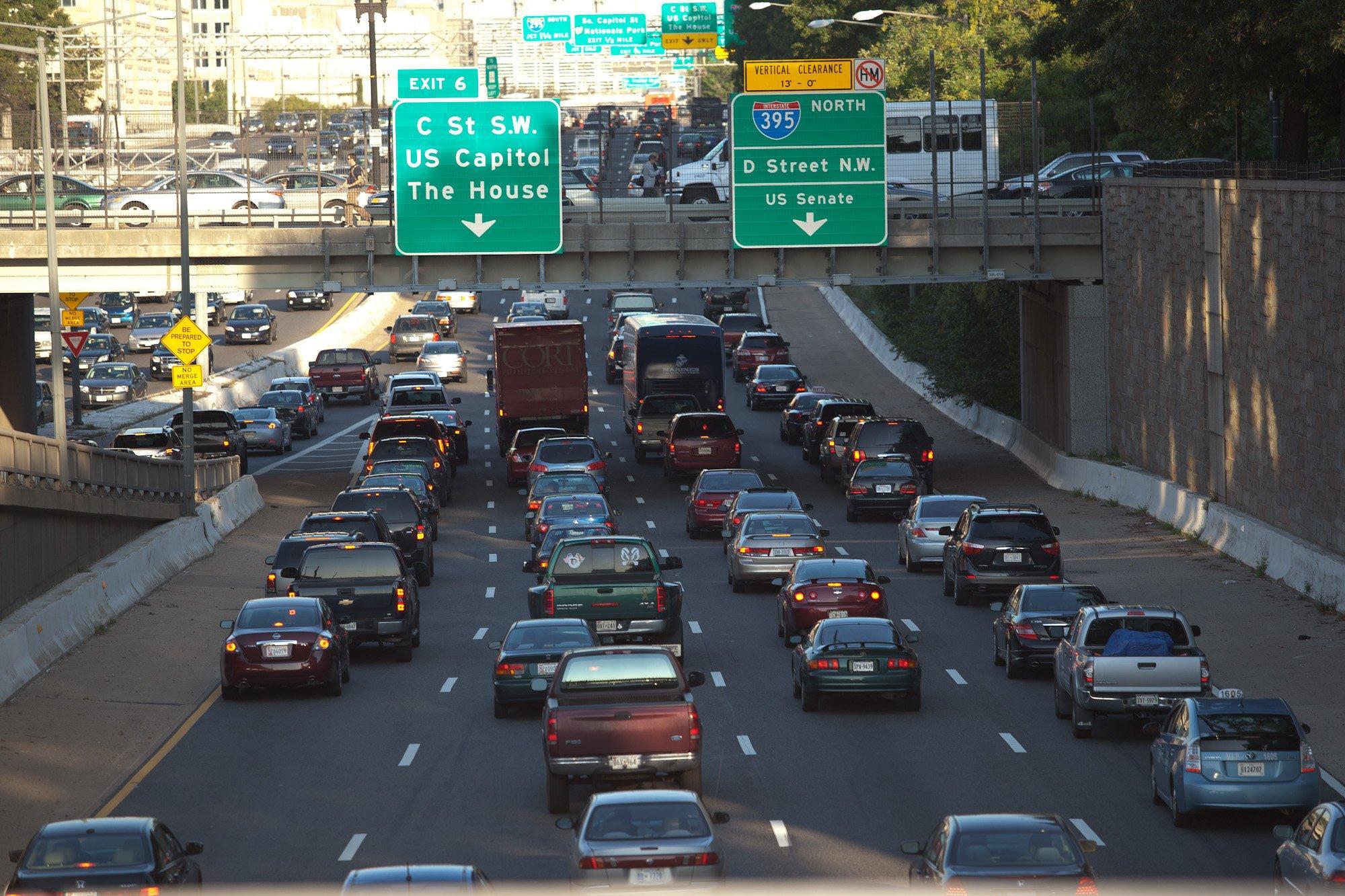
Officials are blaming the heat for everything from a Metro derailment to buckled pavement on Interstate 395. It’s so hot — with temperatures topping 95 degrees for 10 days straight — that rails and roads are expanding, cracking and kinking surfaces.

Metro investigators think the heat wave caused Friday’s Green Line derailment, in which 56 people had to be evacuated from a train near West Hyattsville. No one was injured.

Metro spokesman Dan Stessel said Saturday morning that investigators think the “probable cause” of the accident was a “heat kink” in the rails, caused by high temperatures and prolonged exposure to sunlight.

“It is something that every railroad that operates in this kind of heat deals with,” he said.

Metro’s response to heat waves is to increase the number of track inspectors walking the tracks on the lookout for kinks. But there was no indication that anything was wrong with the tracks near West Hyattsville before the derailment, Stessel said.

After the accident Metro ordered all trains to travel at only 35 mph on aboveground tracks.

Speed restrictions were also in place for MARC trains and the Virginia Railway Express throughout the week because of the heat, leading to delays of two to 15 minutes, officials said.

Drivers weren’t exempt from the heat damage.

The Virginia Department of Transportation warned drivers to look out for cracking and buckling roads as temperatures soared.

Crews found and repaired minor buckling on the HOV lanes on Interstate 395 near Seminary road on Tuesday, VDOT announced.

“Consistent temperatures in the mid- to high-90s have put road surfaces across the state at risk for buckling,” VDOT engineer Andy Babish said in a statement. “Pavement expands in the heat, and cannot contract if it does not cool down enough overnight. It continues to expand, and that’s when we could see damage.”

And AAA Mid-Atlantic warned the heat would increase the likelihood that cars would break down if they haven’t been serviced recently. The heat can drain batteries, create hose leaks or snap worn belts, the agency warned.

“These temperatures pose a series of dangers, but with correct maintenance and diligence, motorists can ensure that they make it through this stretch without any or little trouble,” AAA Mid-Atlantic’s John Townsend said.

[email protected]

Related Content
