

If the apex of the coronavirus in most domestic hot spots is truly coming sooner than expected, it’s fully possible and necessary that, as the Trump administration has promised, the first steps to reopening society are coming in a matter of weeks, not months. Social distancing rules will still remain stringent, and there’s no question that mask-wearing will become a requirement of public life, but it’s not hard to imagine what the first few steps will look like. Young and healthy workers can return to warehouses and retailers, and in due time, even client-facing services such as real estate and even highly sterilized hair salons will be back in business.
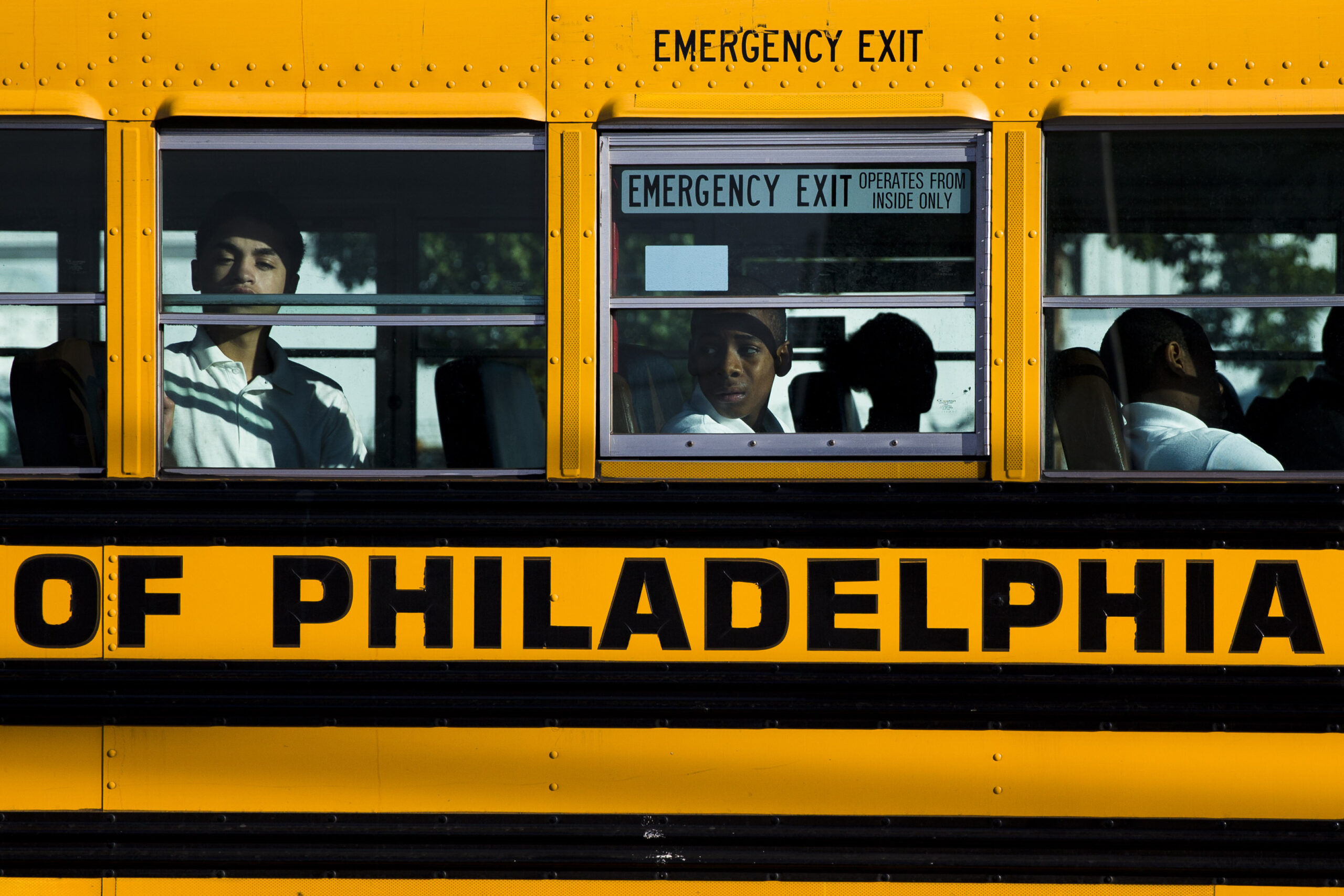
But at the bottom of the list will likely be schools.
Recommended Stories


One of the few silver linings of the coronavirus is that it doesn’t seem to affect children much. However, new data indicate that children are still becoming carriers, albeit asymptomatic ones.
In Israel, the Health Ministry has warned that children are disproportionately asymptomatic carriers. More than 1 in 4 children under age 9 infected with the pandemic present no symptoms at all, compared to 7% of those aged 20 to 29, 4% of those aged 50 to 59, and 7% of those 70 to 79.
Israel is no anomaly. The Centers for Disease Control and Prevention found that just 73% of pediatric patients had “symptoms of fever, cough, or shortness of breath,” whereas 93% of adults did. In a study of Chinese children, researchers found that nearly half were either asymptomatic or had acute upper respiratory symptoms (those consistent with a common cold as opposed to the lower respiratory symptoms commonly associated with the coronavirus).
We can trust adults to wear masks consistently and maintain physical space from each other in public spaces and workspaces, and biology allows us to pretty consistently determine who is coming down with the virus, allowing us to quarantine them quickly. But this won’t easily work with children.
The average American elementary school classroom has 23 students, with playgrounds hosting countless more. Are we really to believe that one teacher and perhaps an assistant can make sure that 23 children all wear their masks, stay 6 feet away from each other, and not cough, sneeze, and laugh all over each other? Of course not. This would mean that after every kid in the classroom becomes a carrier, they all go home to houses to infect their far more susceptible parents and grandparents.
This certainly isn’t ideal, but the past month has proven that it is workable.
Already 13% of the labor force, the overwhelming majority of which was employed prior to the coronavirus, have lost their jobs. Countless more will continue to do so if this shutdown continues and permanently closes businesses with the tightest of profit margins. Getting them back to work is a priority, and it will come at the expense of many of workers capable of working at home, roughly half of the labor force, continuing to do so.
Why? Because white-collar America will have to watch their children, and it’s fully possible that they’ll inadvertently wind up subsidizing childcare for those who cannot work remotely. It’s not ideal, and it’s hardly conservative, but when the alternate realities are either to continue plunging the economy into a global depression or to let children reinfect the country and undo the entire past month of progress, it’s a little less unpalatable.
