

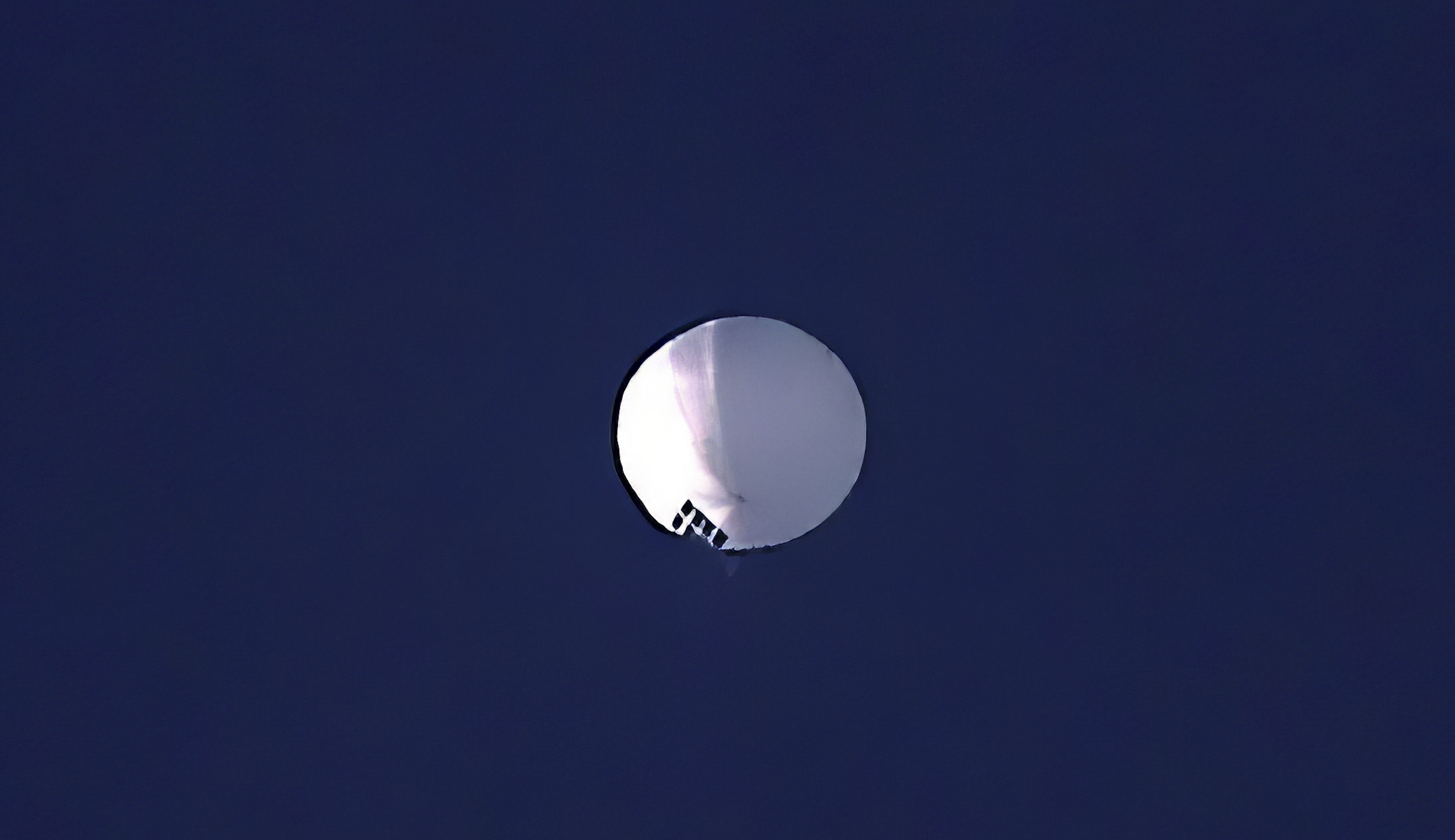
FlightRadar 24 changed the classification of a standard United States based high altitude research balloon on Saturday morning, after thousands of Americans mistook it for the suspected Chinese spy balloon.
Recommended Stories


The flight tracking website clarified in a tweet that the balloon was operated by the U.S. instead of China, writing, “no, this is not a Chinese balloon,” and specified it did not believe the spy balloon would be picked up by its sensors.
SECOND SUSPECTED CHINESE BALLOON SPOTTED OVER LATIN AMERICA
“To provide additional clarity about what balloons are and are not visible on Flightradar24, we’ve updated our database entry for N257TH,” FlightRadar 24 tweeted. “N257TH is a standard high altitude research balloon, often released over the US and is not the Chinese balloon.”
To provide additional clarity about what balloons are and are not visible on Flightradar24, we’ve updated our database entry for N257TH. N257TH is a standard high altitude research balloon, often released over the US and is not the Chinese balloon. https://t.co/vJ8YqGudAU pic.twitter.com/qxvx7tlFXK
— Flightradar24 (@flightradar24) February 4, 2023
At least 4,000 users followed the research balloon on FlightRadar24, and it was the site’s most-tracked aircraft late Friday and Saturday morning. The research balloon was seen over Memphis, Tennessee, and belonged to U.S. company Aerostar, operated out of South Dakota.
CLICK HERE TO READ MORE FROM THE WASHINGTON EXAMINER
The Pentagon announced it was monitoring a balloon over Billings, Montana, that it had “very high confidence” belonged to China. The balloon is maneuverable, and it is located about 60,000 feet above the U.S. A second balloon was confirmed over Latin America on Friday, and the Pentagon claimed both were surveillance balloons from the People’s Republic of China.
Republican members of Congress have urged the Biden administration to shoot down the balloon, which has flown over important military facilities. It is not clear where in the U.S. the balloon is currently located, but it’s expected to remain in U.S. airspace for several days.
