

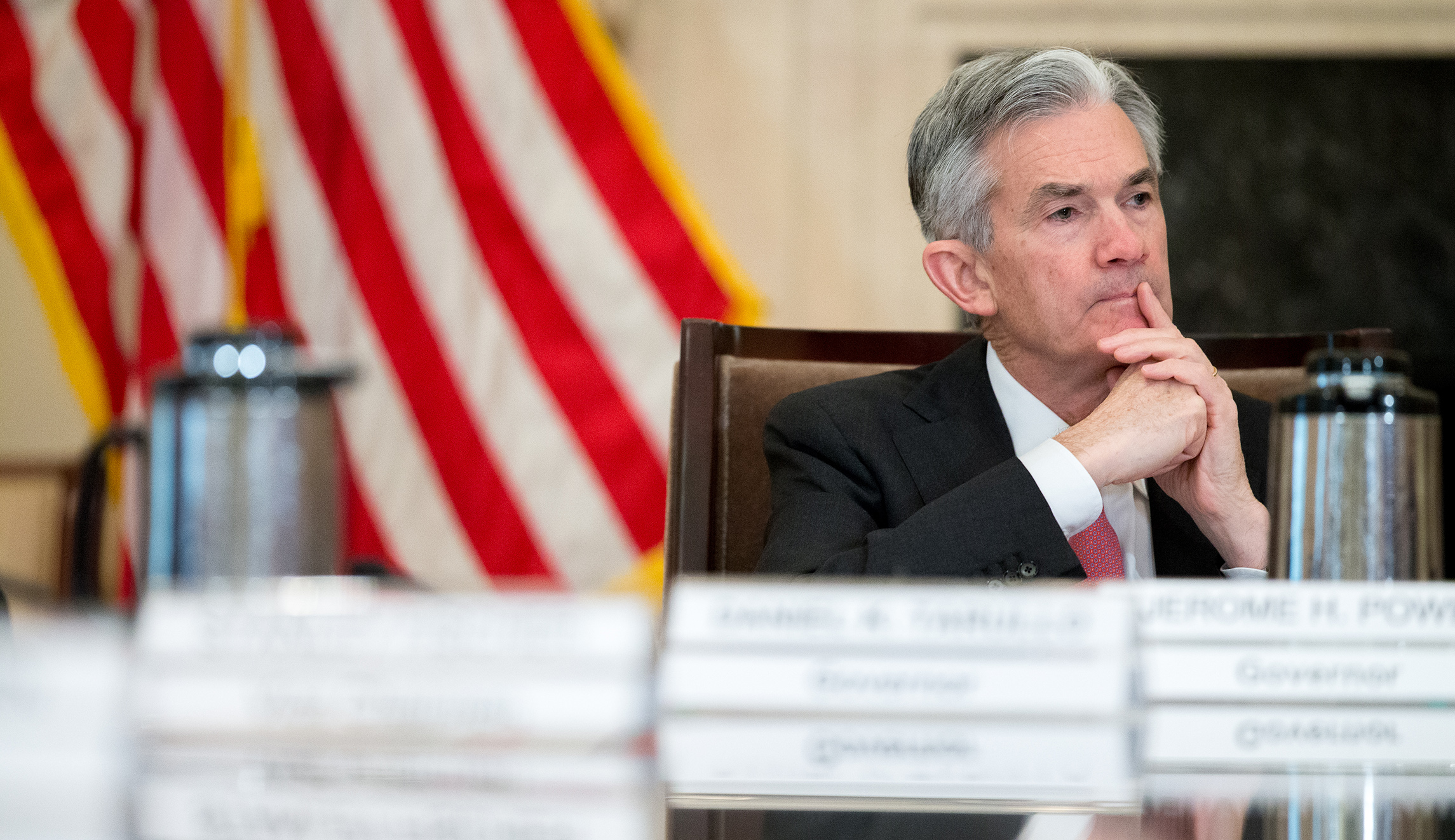
A Federal Reserve official is set to recommend easing stress tests for banks and other forms of regulatory relief Thursday in testimony to the U.S. Senate.
Jerome Powell, a member of the Fed’s Board of Governors, made the regulation-easing suggestions in testimony prepared for a hearing to be held by the Senate Banking Committee Thursday as legislators begin looking for ways to reduce the rules on banks.
Recommended Stories



“As we consider the progress that has been achieved in improving the resiliency and resolvability of our banking industry, it is important for us to look for ways to reduce unnecessary burden,” Powell said in his written remarks.
In particular, Powell offered that the regulators might stop issuing qualitative judgments of banks as part of the annual stress tests it conducts to assess banks’ health. In recent years, banks have made progress, according to Powell. The number of banks struggling to pass has declined. The results of the next test will come out next week.
Additionally, Powell recommended considering less-frequent reviews of banks’ “living wills,” the documents they are required to write explaining how they would safely go through bankruptcy without prompting a panic if they failed. In separate testimony prepared for the hearing, Federal Deposit Insurance Corporation chairman Martin Gruenberg agreed with that recommendation.
Small and medium-size banks could also get relief, Powell said. The Fed would support raising the threshold at which banks qualify for additional regulation. Currently, that cutoff is set at $50 billion.
Powell’s proposals mirror some of those made by Daniel Tarullo, the Fed’s former point man on regulatory issues during implementation of the post-crisis rules, in his farewell speech in April.
They also align with some of the suggestions made by the Trump Treasury Department in a report it published this month outlining its goals for regulatory relief.
The Republican chairman of the Banking Committee, Sen. Mike Crapo of Idaho, has stated that he aims to find bipartisan support for regulatory relief measures.
