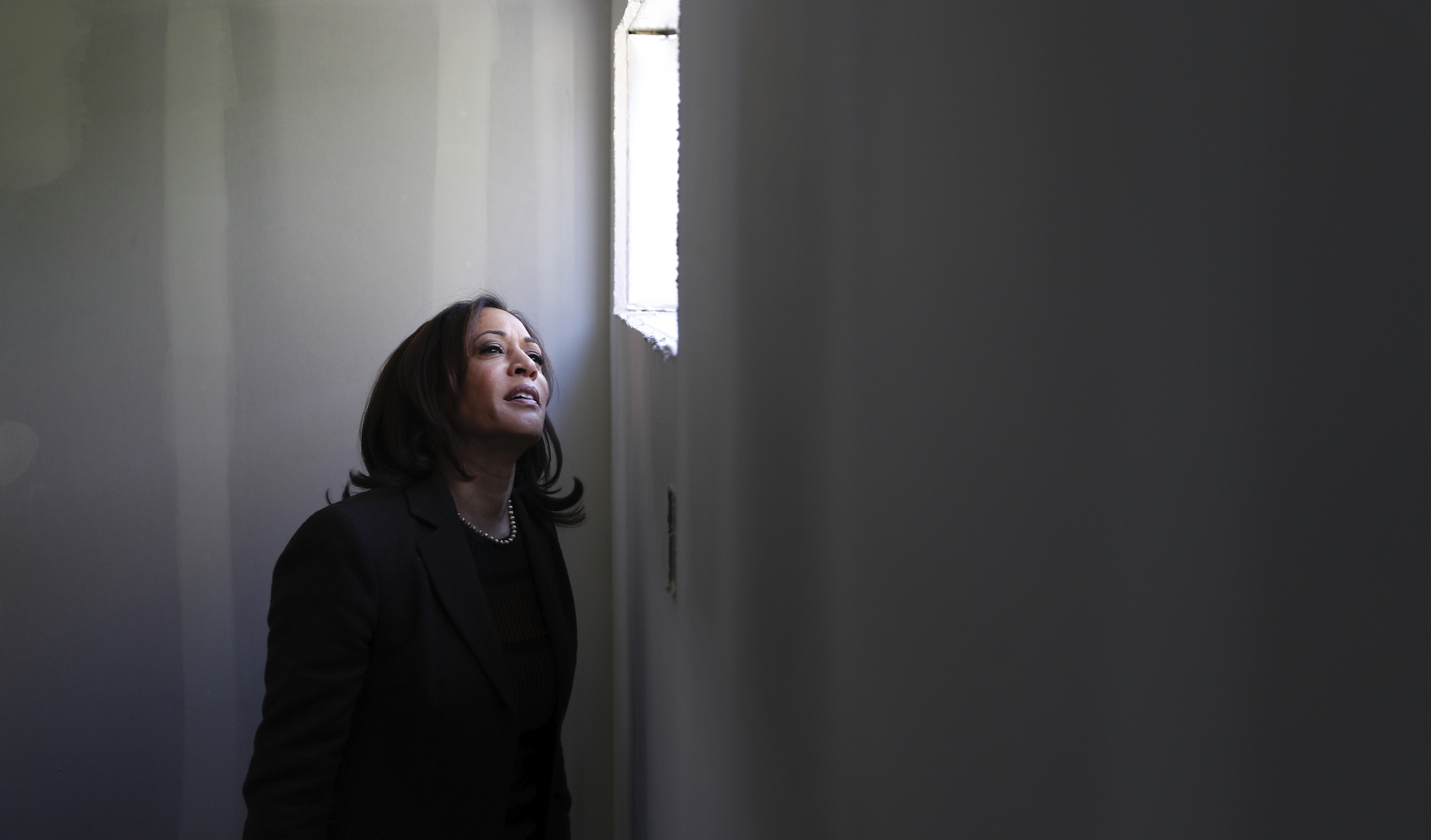
Kamala Harris has ended her presidential campaign. Thus fades into history one of the most overhyped candidates in recent memory.
It’s not hard to see why Harris failed.
Recommended Stories
She was half the aggressive prosecutor and half the noble social justice warrior, half practical Democrat and half proud progressive, and it was never clear where she stood. With Elizabeth Warren and Bernie Sanders consolidating the Democratic Party’s progressive wing, and Joe Biden and Pete Buttigieg fighting over the center ground, Harris’s uncertain political identity denied her a foundation to build on. Instead, the California senator appeared to copy policies that she assumed would be popular in any one moment: most ignominiously, her call to ban President Trump’s Twitter account.
For a Democratic Party craving authenticity, as well as a candidate who can beat Trump, Harris’s strategic ingredients were a poor match for success. The basic point is this: As my colleague Tiana Lowe noted back in the summer, Harris simply wasn’t ready for prime time. She was too desperate to win and lacked established values.
But Harris also didn’t use the debates to her advantage. Although she had some sharp lines for her opponents, her rambling policy arguments did little to separate her from the lower rungs of the packed primary field. Her instinct toward prosecutorial dissection also fell flat against Biden. Harris failed even when, as in the most recent debate, she was given a layup to challenge Democrats’ most disliked intruder, Tulsi Gabbard. The more primary voters saw Harris, the less interested they became.
In the end, Harris’s best bet would have been to accept her limitations just as she entered the terminal phase of her falling poll numbers. That way, she might have given herself a pathway to the vice presidential ticket.
Instead, the vanquished prosecutor and once presumed president now returns to the Senate. Not a bad gig, to be sure. But certainly not the fate Harris expected at this time last year.
