

The pharmaceutical industry is taking its fight against the effort to rein in soaring drug prices to the state level, shelling out more than $60 million to fight a ballot measure in California.
The measure would install price caps on drugs that any state agency buys. The price for a product would be tied to the price paid by the Department of Veterans Affairs, which is able to negotiate with drugmakers for cheaper products.
Recommended Stories


A drugmaker has to offer the VA at least 24 percent off the average manufacturing price and a rebate if a price increase goes past inflation, according to a report from the Congressional Research Service.
The initiative, which California voters will weigh in November, could have major lasting ramifications, with consumers growing increasingly concerned about high drug prices. Recent polls have shown that most Americans are concerned about rising prices.
Advocates in Ohio are trying to gather enough signatures to get a similar question on their ballot in November, too.
Price caps currently are a nonstarter in Congress, but an idea that is gaining steam among Democrats and some Republicans, including presumptive presidential nominee Donald Trump, is giving Medicare the power to negotiate for lower drug prices.
The pharmaceutical industry isn’t taking any chances in California. The opposition group Californians Against the Misleading Rx Measure has raised about $68 million to fight the ballot measure, said Kathy Fairbanks, spokeswoman for the group. Pharmaceutical Research and Manufacturers of America, a major trade group, created the opposition group. Donations came from drugmakers including Pfizer and Allergan.
Fairbanks said the ballot measure is misleading and would increase the prices of prescription drugs sold to veterans and consumers. The group charges it would be “virtually impossible, resulting in confusion, red tape, bureaucracy and delays.”
The group generally cites testimony from experts on applying federal prices to non-federal agencies.
The group cites 1997 testimony from the Government Accountability Office that said opening up VA pricing to other agencies could result in manufacturers increasing prices to the VA to avoid price cuts elsewhere.
It also cites a 2000 GAO report that found offering federal prices to a larger group of purchasers such as Medicare beneficiaries could lower prices they pay but “raise prices for others.”
“To protect their revenues, manufacturers could raise prices for federal purchasers,” the report said.
Proponents of the ballot initiative point to the massive increases in prescription drug spending over the past few years. Drug spending last year increased 12.5 percent from 2014, according to research firm IMS Health. Overall, spending on pharmaceuticals reached $424 billion in 2015, the report said.
“Ultimately, millions of Californians will benefit if this proposal passes,” according to the proponent group Californians for Lower Drug Prices. “The millions of income-tax payers would see the state save billions of dollars on drug purchases — freeing up funds to redirect to other critical healthcare needs.”
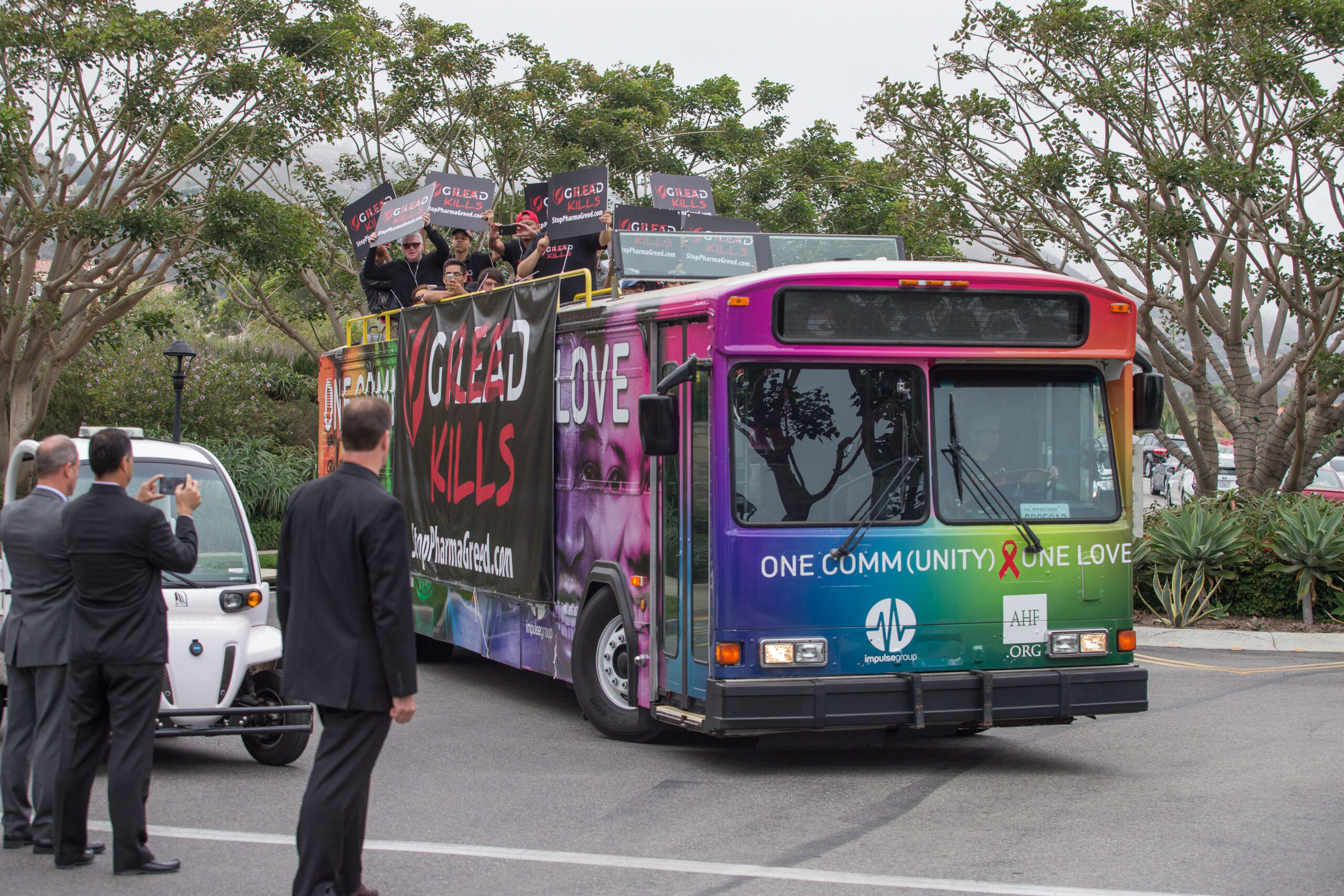
The AIDS Healthcare Foundation is driving support for the ballot initiative. The nonprofit is a major provider of HIV/AIDS medical care in the U.S.
The foundation has raised far less money than the drug industry, with its latest finance report showing Californians for Lower Drug Prices raising about $4 million in 2015, but no money this year, according to state financial records.
The foundation is already running two ads fighting for the ballot initiative. So far the opposition group isn’t up on TV, as Fairbanks told the Washington Examiner that they are now reaching out and building opposition to it.
The ballot measure is getting attention on the presidential campaign trail. Democratic presidential candidate Bernie Sanders announced his support for the measure after meeting with several HIV/AIDS patient advocates.
Last month he called on opponent Hillary Clinton and Trump to also back the ballot initiative.
