Everyday watchdog journalism and everyday Washington corruption

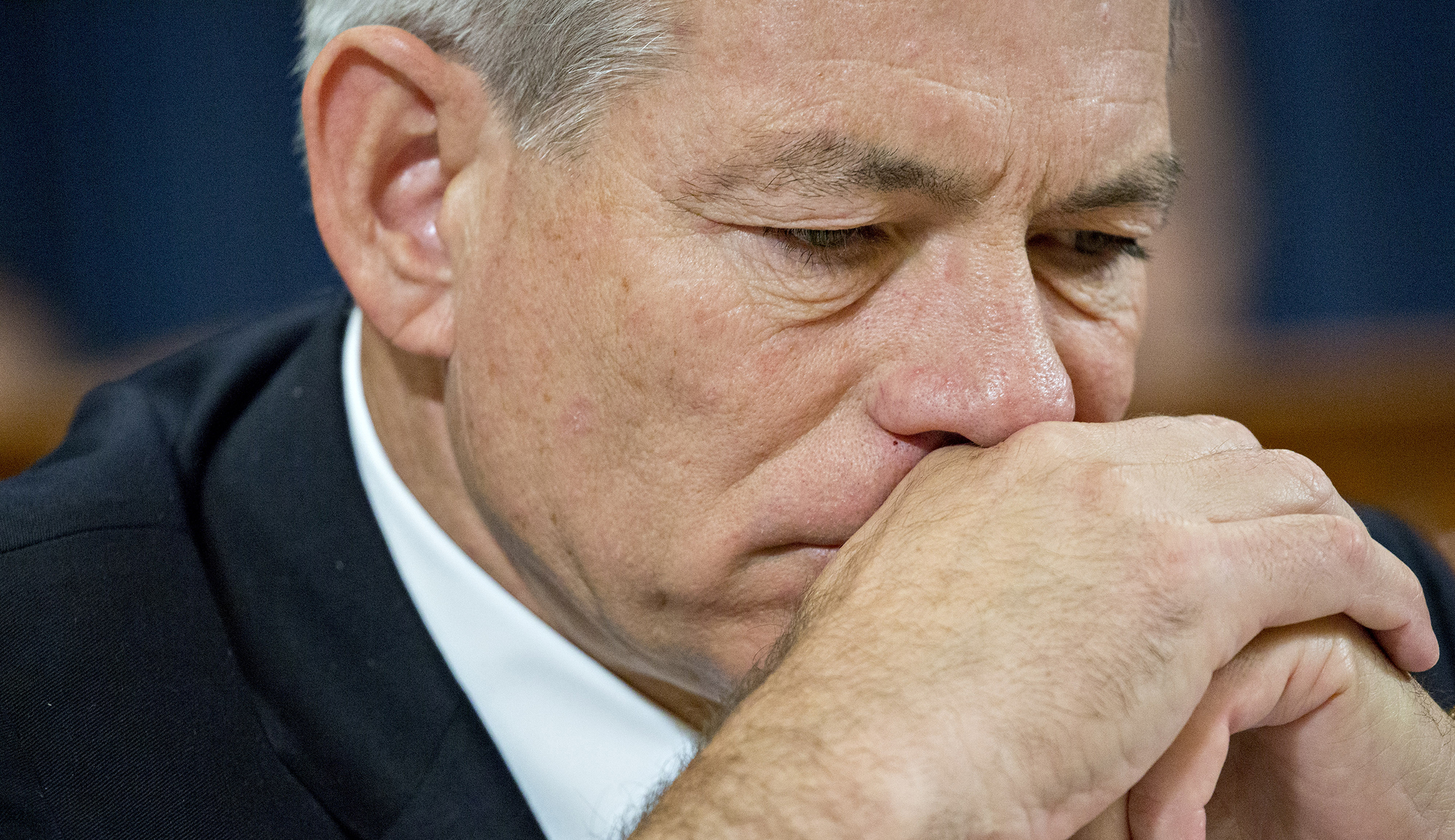
Just over a year ago, the Office of Congressional Ethics voted unanimously to refer an ethics complaint to the House Committee on Ethics. The individuals under scrutiny were Rep. David Schweikert, R-Ariz., and his chief of staff Oliver Schwab. The matter was the large amounts of money flowing to Schwab from Schweikert’s campaign committees and congressional office.

A year later, the committee is still untangling this knotty web of salaries, reimbursements, consulting fees, and campaign contributions, and the referral has just become public. Schwab and Schweikert both proclaim innocence. They have not been charged with breaking any law, and they have not been found guilty of violating any ethics rules.

We note the Schwab-Schweikert case because it became a case only thanks to investigative reporting by this commentary page.

As the press corps goes into convulsions over the Mueller report, and as the public loses trust in a media that overhyped and often misreported the “collusion” story, it’s important to note that good accountability journalism doesn’t always aim to unearth massive criminal conspiracies. Instead, it tries to expose to daylight the apparently improper day-to-day activities of those in power.

Washington Examiner commentary page writer Philip Wegmann, who has since departed, spent days in late 2017 combing through dry public records. He went line by line through Schweikert’s Members’ Representational Allowance, and he also combed through the Federal Election Commission’s filings of Schweikert’s campaign and political action committee. We made phone call after phone call, consulted the regulations and the experts, and honed draft after draft, eventually producing a detailed article that hewed narrowly to the known facts.

The money trail along with Schwab’s comments and social media posts painted a picture that suggested possible wrongdoing. This reporting had an impact.

The Office of Congressional Ethics began digging around all the money for potential campaign finance violations, potential misuse of the Members’ Representational Allowance, and Schwab apparently earning more outside income than congressional staff are allowed to make.

Schwab paid back $50,000 to Schweikert’s campaign. Then in July, he quit Schweikert’s office on Capitol Hill and became a lobbyist for special-interest tax breaks. The ethics probe has dogged Schweikert on the campaign trail. This week, we got to see for the first time the Office of Congressional Ethics’ referral, which just turned one year old.

“[T]here is substantial reason to believe,” the ethics office wrote, “that Rep. Schweikert authorized expenditures from his MRA, made by or on behalf of his Chief of Staff Oliver Schwab, that were not for permissible official expenses.”

The ethics office also stated that “there is substantial reason to believe that Rep. Schweikert failed to ensure that his campaign committee complied with applicable rules regarding contributions from congressional employees.”

Again, nobody has proven guilt. What’s clear is that a lot of money flowed through irregular channels and in unusually large amounts between Schweikert’s bank accounts and Schwab’s. We expect and hope that the Ethics Committee will get to the bottom of all this. We don’t expect it’s a massive conspiracy or a grand heist. At best, it’s poor accounting. At worst, it’s Beltway graft.

And at the very least, the ethics investigation is the fruit of real watchdog journalism.

Related Content
