

Consumers are still facing high healthcare bills, but a new push to create more targeted treatments could help to lower such costs.
“This is one of the best opportunities we will have to cut our healthcare costs,” National Institutes of Health Director Francis Collins told a Senate panel Tuesday.
Stay informed.Stay ahead.
Join Washington Examiner for unlimited access to the news, analysis, and commentary that matter most.
Already a member? Log in
He was referring to the nascent precision medicine initiative, which can help steer patients clear of medicines that don’t work for them. The field has gotten a proposal for $210 million in funding in President Obama’s budget and has bipartisan support.
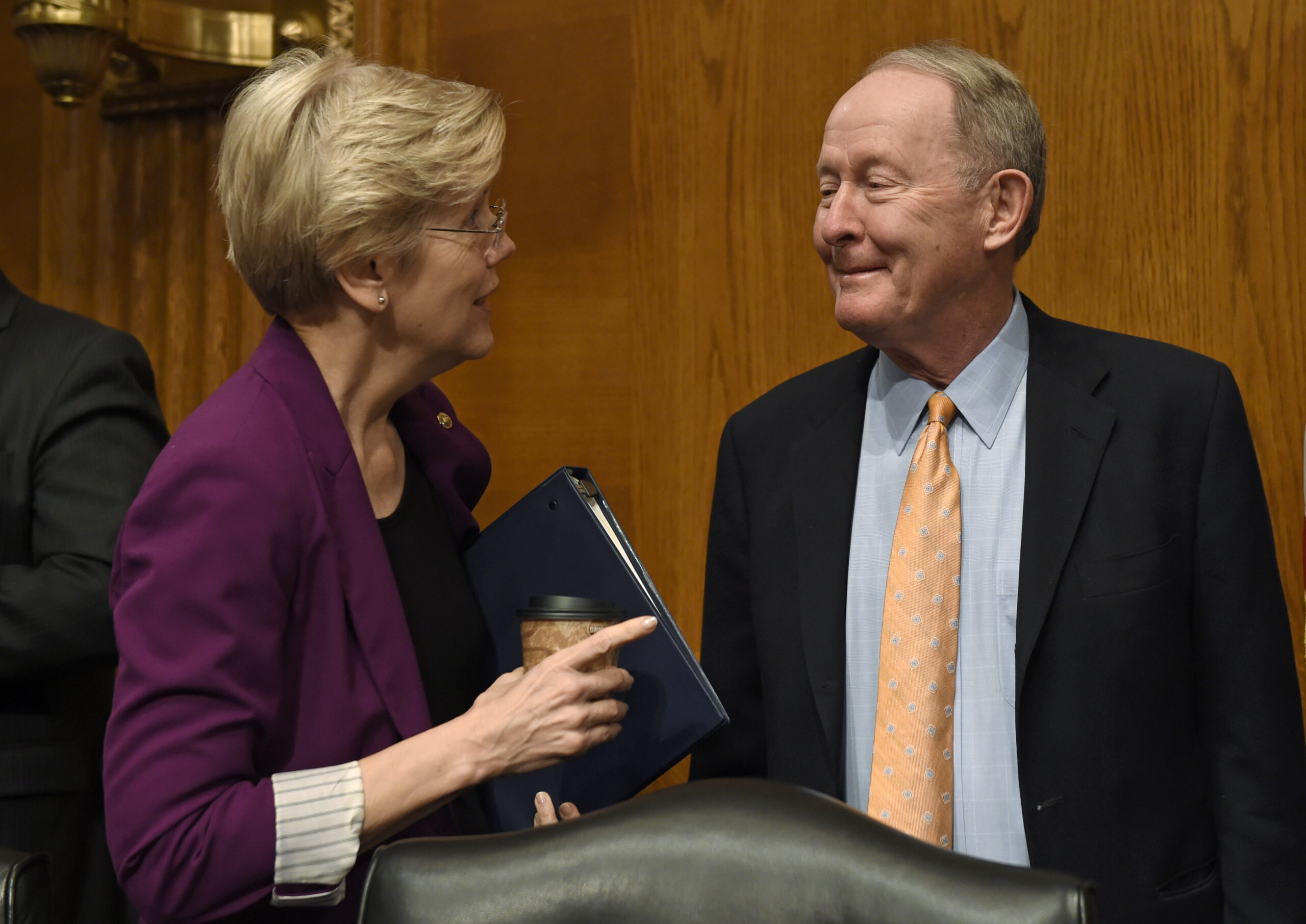
“Precision medicine is one of the most exciting new frontiers in medicine,” said Sen. Lamar Alexander, R-Tenn., head of the Senate Committee on Health, Education, Labor and Pensions that held the hearing Tuesday.
He gave an example of a diabetes treatment in which a doctor could look at a patient’s individual DNA and tailor a treatment to that patient instead of a more general category.
Precision medicine can also result in better tests to improve preventive care in America, Collins said.
Currently America has more of “a sick care system than health care system,” he said.
Most Americans take an annual physical, but that doesn’t collect the kind of data “that might be a tip off to something that needs attention,” Collins added.
New tools and wearable sensors should put us in a better situation to monitor health before sickness strikes, he added.
To get to precision medicine, NIH seeks to find behavioral, environmental and lifestyle information and tissue samples from one million people.
But creating such cohorts is an audacious and daunting task, experts have said. Some Democrats wondered whether the NIH has the funding it needs to complete these and other tasks.
“Over the past decade NIH funding hasn’t even kept pace with inflation,” said Sen. Elizabeth Warren, D-Mass. “We are years behind in doing this work.”
Warren did note that the agency received an additional $10 billion a year over five years in a massive House proposal being floated. However, much more is still needed, she said.
She said NIH needs at least $12 billion next year, which is more than triple the $2 billion it would get under the House proposal.
Collins did say he was thrilled by the House funding, especially since an earlier draft didn’t include any new funding for the agency.
