

The once-historically large 2020 Democratic presidential field has winnowed to single digits, but eight candidates are still in the race as Super Tuesday fast approaches.
As White House hopefuls fight to stay viable, they are increasingly pulling out all the stops, leaving nothing and everything to chance as they try to turn their political ambitions into reality.
Recommended Stories



Elizabeth Warren, 70, was one of last summer’s front-runners in the Democratic primary. But as her poll numbers plummeted in the fall and continued to plateau over the winter, she’s experimented with an array of tactics in an attempt to stage a comeback, including lashing out at the media.
The Massachusetts senator’s strong performance during the Nevada debate, a snippy, frenzied affair emblematic of the “do or die” mentality of many of the contenders at the moment, may temporarily stop her spiral.
Looking back at the 2020 cycle so far, the also-rans who got out early best positioned themselves to save face.
California Rep. Eric Swalwell played a prominent role in President Trump’s House impeachment investigation. Former Colorado Gov. John Hickenlooper is the front-runner in his state’s competitive Senate race, while former Texas Rep. Beto O’Rourke, after shaving off his beard, is campaigning for fellow Lone Star State Democrats running in down-ballot elections. Meanwhile, entrepreneur Andrew Yang this week scored a sweet CNN gig.
Others have chosen to remain relevant by backing a former rival. Reps. Seth Moulton of Massachusetts and Tim Ryan of Ohio, though remaining quiet on the national stage, have been working to elect Biden. New York City Mayor Bill de Blasio accepted a similar role for Sanders, as did former Obama housing secretary Julian Castro for Warren, though in a more high-profile manner.
Sens. Cory Booker of New Jersey and Kirsten Gillibrand of New York, as well as Montana Gov. Steve Bullock, returned to their day jobs. Although she embraced the usual platform of calling for Trump to be banned from Twitter before pulling the plug, California Sen. Kamala Harris did the same, though polling this week suggests there’s a demand for her to return to the trail as a vice presidential pick.
Castro and Harris, in particular, were strategic about timing their departures to avoid having their names on California and Texas ballots, sidestepping embarrassing showings in their home states.
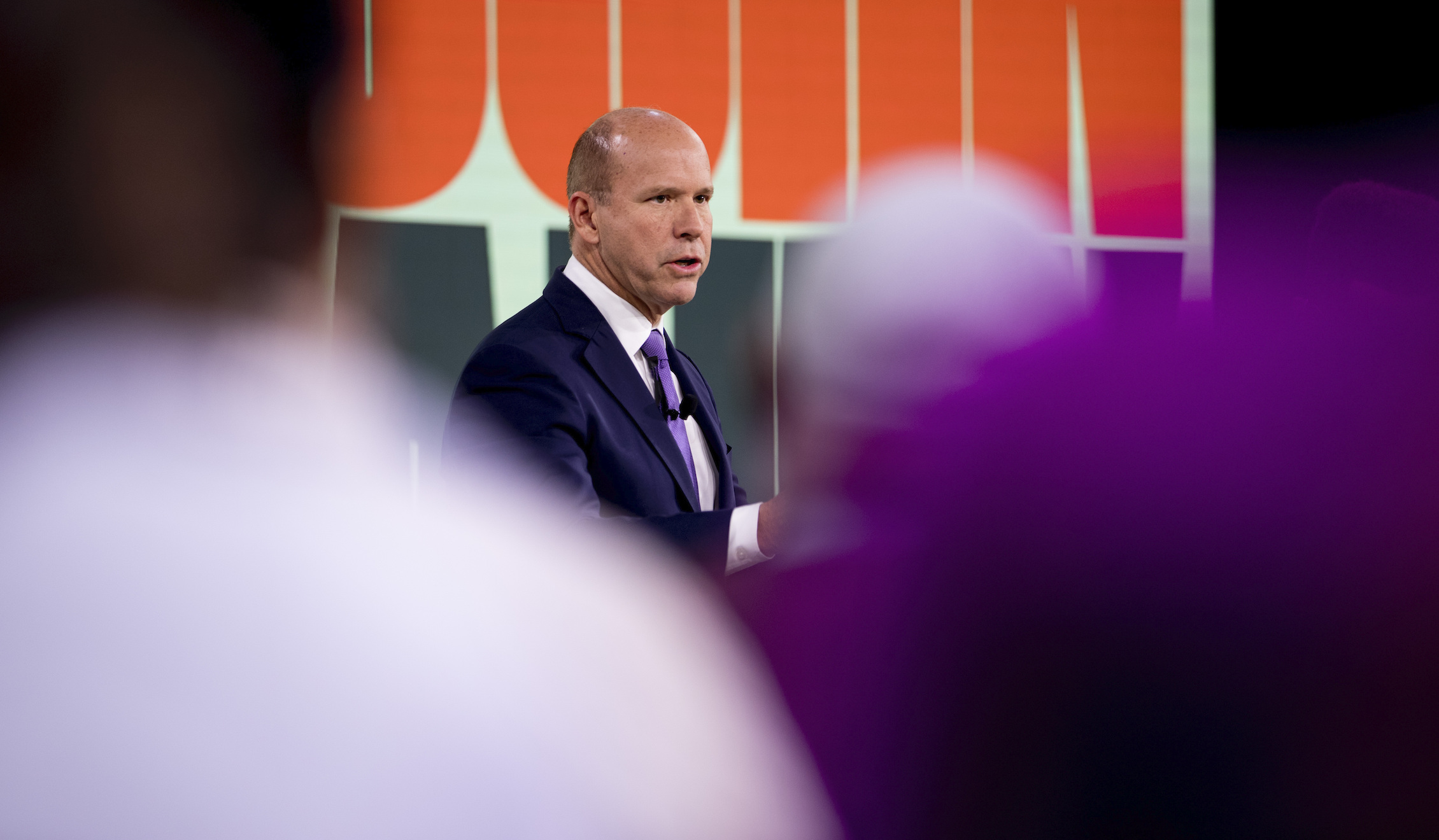
Former Maryland Rep. John Delaney, the first to launch his self-funded candidacy in the summer of 2017, left it until the weekend before the Iowa caucuses to suspend his efforts, despite spending money on a public relations team to blast reporters with interview opportunities just weeks prior.
Forgoing Iowa, Colorado Sen. Michael Bennet puttered around New Hampshire before bowing out on primary night.
“For those who hung around, thank you for hanging around,” Bennet said toward the end of the New Hampshire Democratic party’s annual McIntyre-Shaheen 100 Club fundraiser.
Though lesser-known names such as former Massachusetts Gov. Deval Patrick and ex-Pennsylvania Rep. Joe Sestak announced their bids late, they never gained traction and hung on a bit too long.
Historian David Pietrusza said the best example of a hopeful not knowing when to quit was Harold Stassen, “who long after he was a viable candidate for anything at all, nonetheless, kept running for president,” including in 1948 when the former Minnesota governor had “his best shot” at the Republican nomination.
“As the old song goes, ‘Breaking up is hard to do.’ So is knowing when to gracefully exit a sinking ship — or campaign,” Pietrusza told the Washington Examiner.
With two stratospheres solidifying as Super Tuesday approaches, some contenders, including Hawaii Rep. Tulsi Gabbard and hedge fund manager turned philanthropist Tom Steyer, will face the same calculus.
For Tom Cochran, a partner at public affairs firm 720 Strategies, candidates’ decisions depended on their motivation for running in the first place. For instance, whether they are simply eyeing a Cabinet position or highlighting a specific issue set.
Yet Democratic strategist Nathan Ballard said those “fighting for a place in the top tier” had to avoid smelling “desperate,” advising them against adopting a “poor me” narrative.
“Just because self-pity has worked well for Donald Trump doesn’t mean it will work in a Democratic primary,” he wrote in an email, adding the same advice applied to attacking the press “with a broad brush.”
