9/11 commissioner: No ‘direct’ Saudi involvement in attacks

A former lawmaker who also served on the 9/11 Commission urged the Obama administration on Tuesday to quickly declassify the 28-secret pages about high-level members of the Saudi government’s links to the terrorist attack.

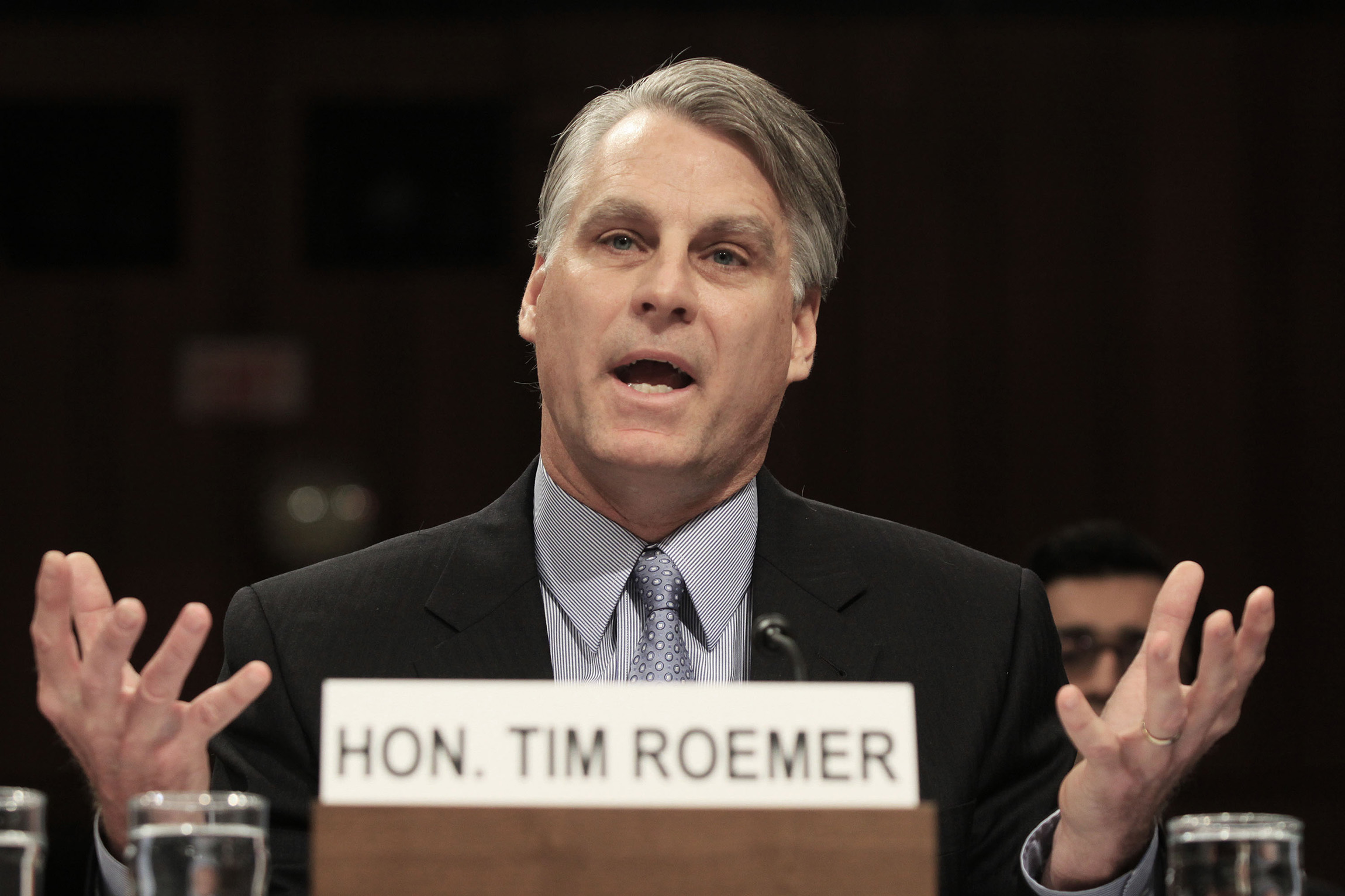
Former Rep. Tim Roemer, D-Ind., served both on the joint Intelligence Committee that investigated the Sept. 11 attacks and initially wrote the 28 pages, as well as the 9/11 Commission that included them as a classified section of their final report.

“I am strongly in favor of declassifying this information as quickly and as soon as possible,” Roemer said during testimony before the House Foreign Affairs Committee Tuesday. “For national security reasons, the 9/11 families deserve it, and justice deserves it.”

“We have a right as Americans for transparency and sunlight, not the darkness that conspiracy theories thrive on in today’s cynical political climate,” he said.

As someone familiar with the contents of the 28 pages, he says the report found that “Saudi Arabia was fertile ground for fundraising and support for al Qaeda.” But he said the 9/11 Commission did not discover “high-level and direct Saudi government involvement in the plot.”

Roemer’s view differs from former Sen. Bob Graham, D-Fla., who chaired the Senate Intelligence Committee at the time of the attacks and co-chaired the 9/11 Commission, which was created by Congress to investigation the attacks.

In recent weeks, Graham has argued that Washington has turned a blind eye to Saudi support for Sunni extremists and their role in the Sept. 11 attacks, which has contributed in the Saudis’ ability to continue to engage in actions that are damaging to the U.S.

Still, Roemer points out that there is a a “glaring contrast” between high-level official Saudi cooperation with the U.S. and other countries against terrorist plots and their society and culture “exporting extremism and intolerance.”

Roemer said Saudi intelligence agencies have worked closely with the U.S. to share information about threats from extremist groups. Most notably, in 2010, the Saudis tipped off U.S. authorities to a plan to bomb U.S. cargo planes that led to the disruption of the plot.

Still, he said Saudi society continues to export extremism and fund radical ideologies and terrorist groups around the world.

The Saudis have made improvements since 2003, he argued. They have instituted legal reforms to strengthen prohibitions on supporting terrorism, and outlawed groups liked the Islamic State. The government also has created a de-radicalization program aimed at helping extremists re-integrate back into society.

Despite these official acts, he noted, studies on the background of Islamic State fighters continue to show that Saudi recruits are among the most numerous of the group’s ranks.

Related Content
