
The undying contention that every person who voted for President Trump is racist graced CNN’s airwaves this morning.
It’s an argument that’s much better understood when fleshed out beyond the confines of a tweet or protest sign, as CNN allowed it to be today, but nevertheless implicates millions of nonracist people in evil conduct. It’s also an argument well worth understanding as a representative slice of the worldview that dominates academia and bleeds consequently into the media and pop culture.
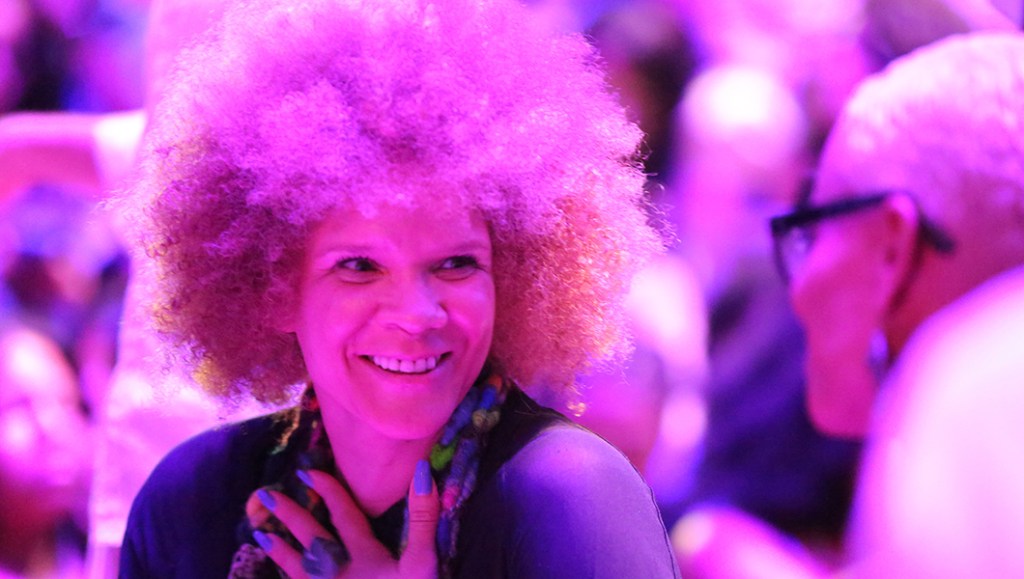
Here’s how commentator Michaela Angela Davis made the assertion on CNN Wednesday morning:
Davis: …I think it’s important we don’t make Trump seem this untouchable thing… that no one gets to be Trump but Trump. Tens of millions of people voted for him after he showed his cards for years.
John Berman: But are you suggesting that they’re racist —
Davis: Absolutely yes. Yes.
Berman: All the people that voted for Donald Trump are racist?
Davis: Yes. They may not be violently racist, they may not be — he’s targeted. He’s very clear and strategic. Look, anti-blackness is a strategy that has been the foundation of part of the American project. So we have to grapple with the idea if that if you heard someone at their rally say ‘build a wall, kill them all.’ If you heard someone say —
Alisyn Camerota: You know that people interpret this differently and to paint as broad a brush saying you are, saying that everybody who voted for him is racist. They’ll say that people compartmentalized during Bill Clinton and you overlook the things that you’re uncomfortable with because you like the policy. You can’t paint that broad of a brush stroke.
Davis: Racism isn’t broad. What you are not hearing is there’s so many different levels of racism and how it works itself out.
Camerota: Yeah, I hear you.
Davis: So there’s levels to how it is interpreted and there’s levels to how it is acted out, and most of the time we are operating in racist structures, so you as an individual may not understand that you are racist but you are working in a racist structure. So that’s how policemen of color can be participatory, right? It is so complicated and that’s why we have to have sustained, complicated, nuanced conversations that ground themselves in history.
The heart of Davis’ argument is reflected in the following quote: “Most of the time we are operating in racist structures, so you as an individual may not understand that you are racist but you are working in a racist structure.”
When people argue that all Trump voters are racists, they typically don’t mean every person that voted for Trump openly believes people of color are inferior, but that their support for Trump is perpetuating a lingering and widely shared mindset that accepts white supremacy as normal.
The problem is that people who don’t have degrees from Oberlin reasonably understand this to mean something closer to what it says: That their votes for Trump make them equivalent to KKK members. And no one’s going to take that seriously.
The “Coming Apart” phenomenon has many implications, not the least of which is that college-educated progressives are working very hard to expand the definition of racism. And since they’re overrepresented in the media, their definition of racism implicates, confuses, and offends people who do not in any way believe in white supremacy. This is arguably the biggest problem in today’s conversation about race.
To most people — even beyond the pro-Trump demographic — there is a major difference between racism and “inadvertent participation in a racist structure.” Davis admits it was “startling” for her to respond affirmatively to Berman’s question this morning, and argues there are “levels to racism.” But if progressives insist on making the argument that all Trump voters are racist, they need to do a much better job acknowledging that they’re being quite imprecise with their language and meaning, and working to make others see their point, if they end up having one at all.
