The Baltimore City Health Department will scrutinize drug overdose deaths over the past decade in addiction-plagued Baltimore as part of a detailed study aimed at identifying the city?s deadliest drugs.
The comprehensive study, lead by a Johns Hopkins epidemiologist and set to be released in January, also may prompt revision to the number of overdose deaths reported in the past decade.
“What we?re doing this time around is getting all the raw data and establishing a clear methodology that explains who we?re counting and what specific substance we attribute the death to,” city Health Commissioner Joshua Sharfstein said.
The number of overdose cases in Baltimore has been a source of controversy in the past, with city officials claiming a reduction in overdose deaths while drug-treatment advocates argued the numbers were inaccurate ? a dispute Sharfstein said the new study will address.
“In the past the reporting has not been consistent, we need to develop a whole new level rigor.”
All cases in the past 10 years where the state medical examiner has ruled drug intoxication as the primary cause of death will be included in the study.
Sharfstein said the study should provide the most accurate picture to date of the often complex combinations of substances, and circumstances, that contribute to drug overdoses.
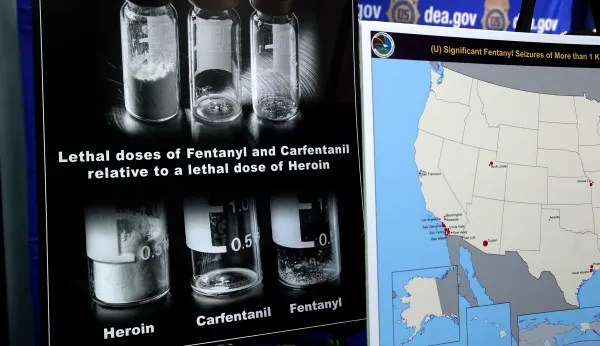
“You have to decide which things are the primary narcotic and be specific,” he said, citing as an example a rash of heroin overdoses that occurred last year later attributed to the addition of Fentanyl, a painkiller, to street heroin.
The most recent annual reportby the state Medical Examiner?s Office shows drug abuse deaths on the decline in Baltimore since 2003 ? from 331 to 273 in 2005.
Drug abuse deaths are categorized as “undetermined” by the medical examiner, meaning the cause of death is known but not the manner in which a person died ? homicide, accident, natural or suicide.
Dr. David Fowler, the state?s chief medical examiner, has said that ruling drug-related deaths “undetermined” is necessary in order to provide an accurate picture of the city?s drug deaths.
“If someone injects you in the arm with heroin and you die,” Fowler said in a previous interview, “is that a homicide?”