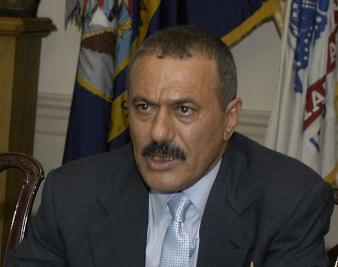
Yemeni president Ali Abdullah Saleh survived a rocket attack on the presidential palace in Sana’a today, and he is reportedly planning to address the country sometime soon. This latest episode is more evidence that the country where the most active al Qaeda franchise has found sanctuary is sliding toward civil war. Countrywide protests have devolved into the beginnings of a broader armed conflict as defected military units join forces with tribal forces to fight the government. Saleh has refused to step down, despite internal and international pressure to do so. The unrest has given al Qaeda in the Arabian Peninsula (AQAP) more freedom to operate within the country in expanded safe havens.
The opposition movement in Yemen has gained momentum since late January. Established anti-government movements such as the Southern Movement and the al Houthis were bolstered by the successes in Tunisia and Egypt, and mobilized their networks to stand in solidarity with the peaceful youth movement. Saleh made early concessions to the opposition, including a promise that he would not run for another term in 2013. Yemen’s opposition, however, called for Saleh to resign. A crackdown on a peaceful protest in Sana’a on March 18 spurred the defection of key regime supporters, who joined the call for a regime change.