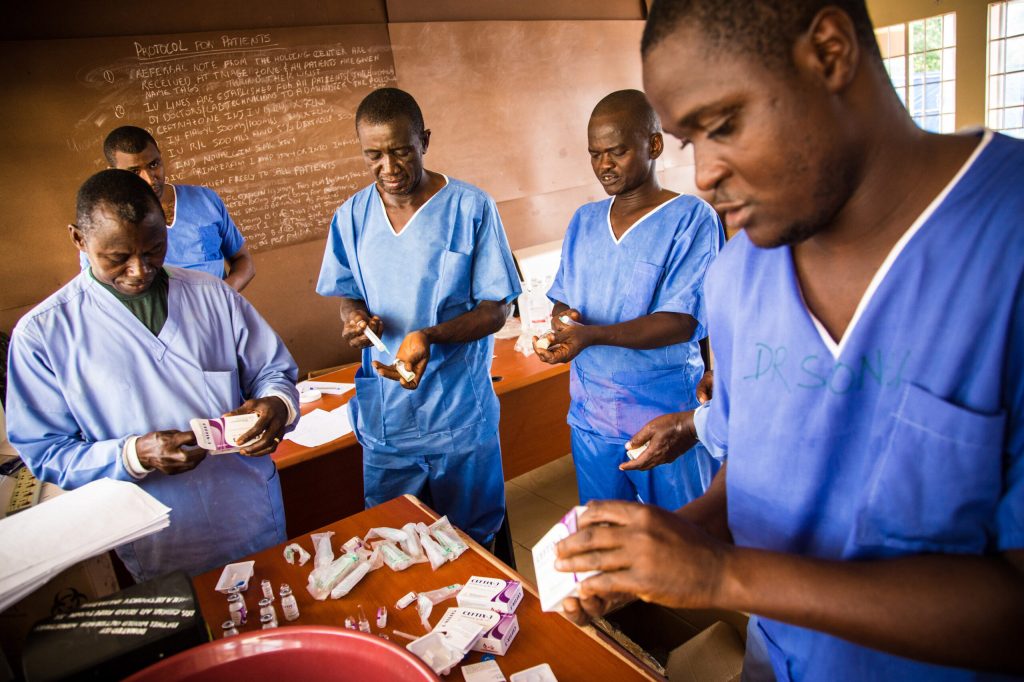
JOHANNESBURG (AP) — Some doctors in countries hit hardest by the deadly Ebola disease decline to operate on pregnant women for fear the virus could spread. Governments face calls from frightened citizens to bar travel to and from afflicted nations. Meanwhile, the stakes get higher as more people get sick, highlighting a tricky balance between protecting people and preserving their rights in a global crisis.
The world could impose more restrictions to ward off a disease that has overwhelmed several West African countries, and exposed shortcomings in medical procedures in Texas and also Spain, where Ebola cases have been diagnosed. Such measures can be legal, lawyers say, but the challenge is to ensure that quarantines, curbs on movement and other steps do not intrude too heavily on civil liberties.