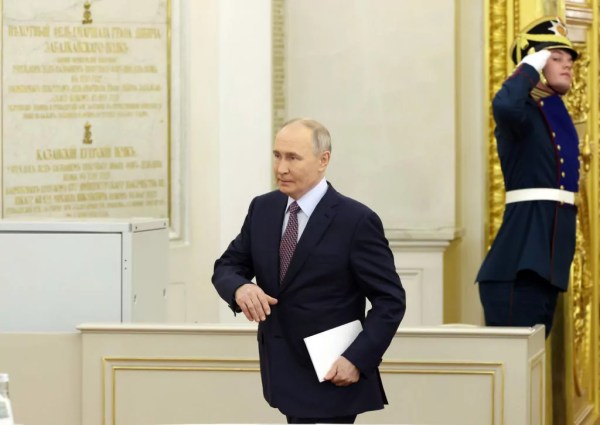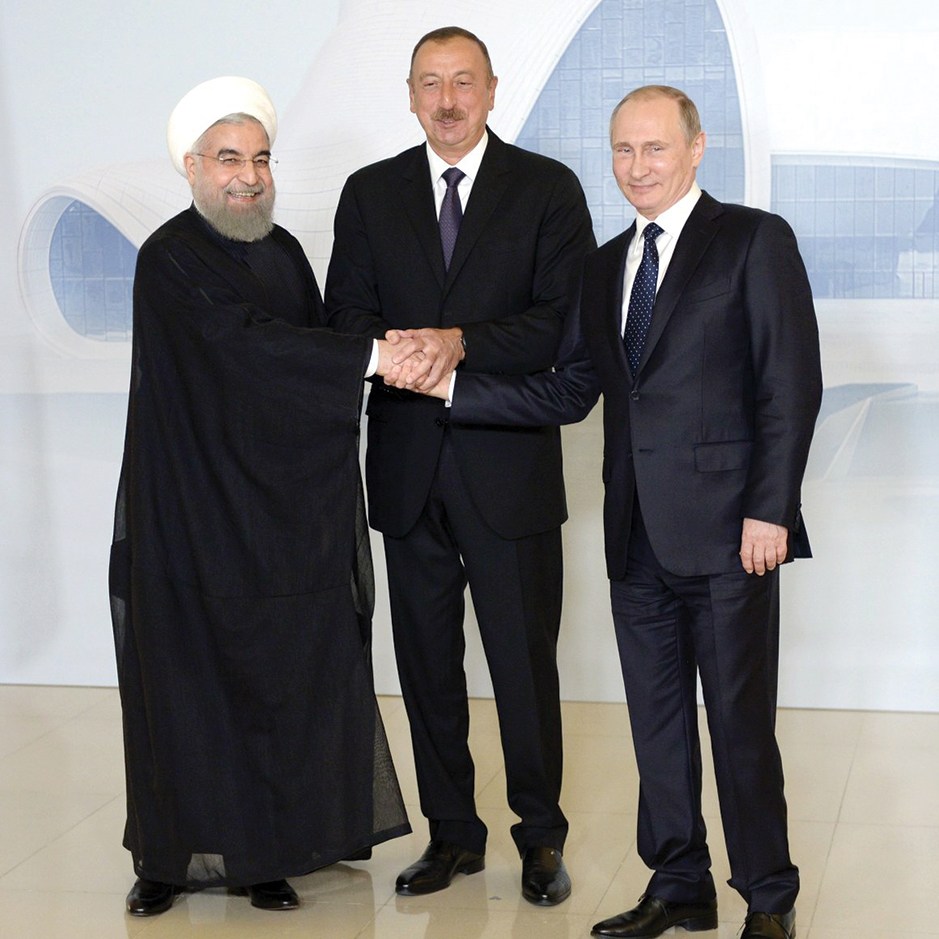
Since President Trump’s election, American allies and other foreign policy observers have been curious to know how the new White House intends to resolve an apparent contradiction. How is it possible that Trump seems keen to make some sort of deal with Vladimir Putin while expressing belligerent contempt for Russia’s key Middle East ally, Iran? There may be an answer: Recent press reports indicate the Trump team will try to lure Russia away from Iran. The chances for success are slim.
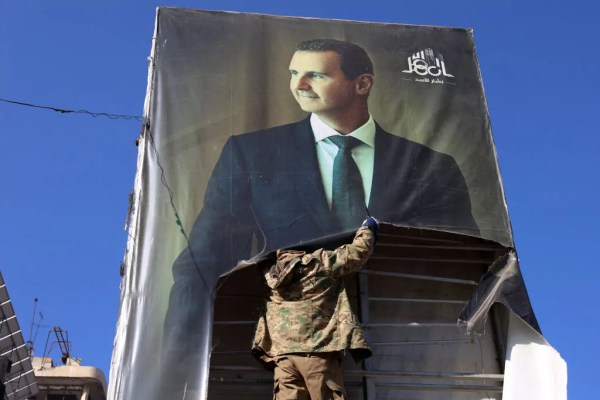
Moscow and Tehran’s alliance was cemented in Syria, where both have historically backed the Assad regime, first Hafez al-Assad and later his son Bashar. Both have supported Bashar al-Assad against an array of opposition forces since the Syrian conflict erupted in the summer of 2011. Four years later, with Assad and Iranian forces in danger of losing the war, Qassem Suleimani, head of the Islamic Revolutionary Guard Corps’s expeditionary Quds Force unit, visited Moscow to beg the Russians for more help. Putin consented. He escalated Russia’s position in Syria with men and materiel, and marked it with naval installations and airstrips. Ever since, Russian planes have flown in support of Iranian, Hezbollah, and other Iranian-backed ground forces. Rumors regarding points of conflict between Russia and Iran continue to circulate, but this is not, as many have called it, a “marriage of convenience,” but a strategic alliance in which each actor depends on the other.